
Last updated November 2, 2026
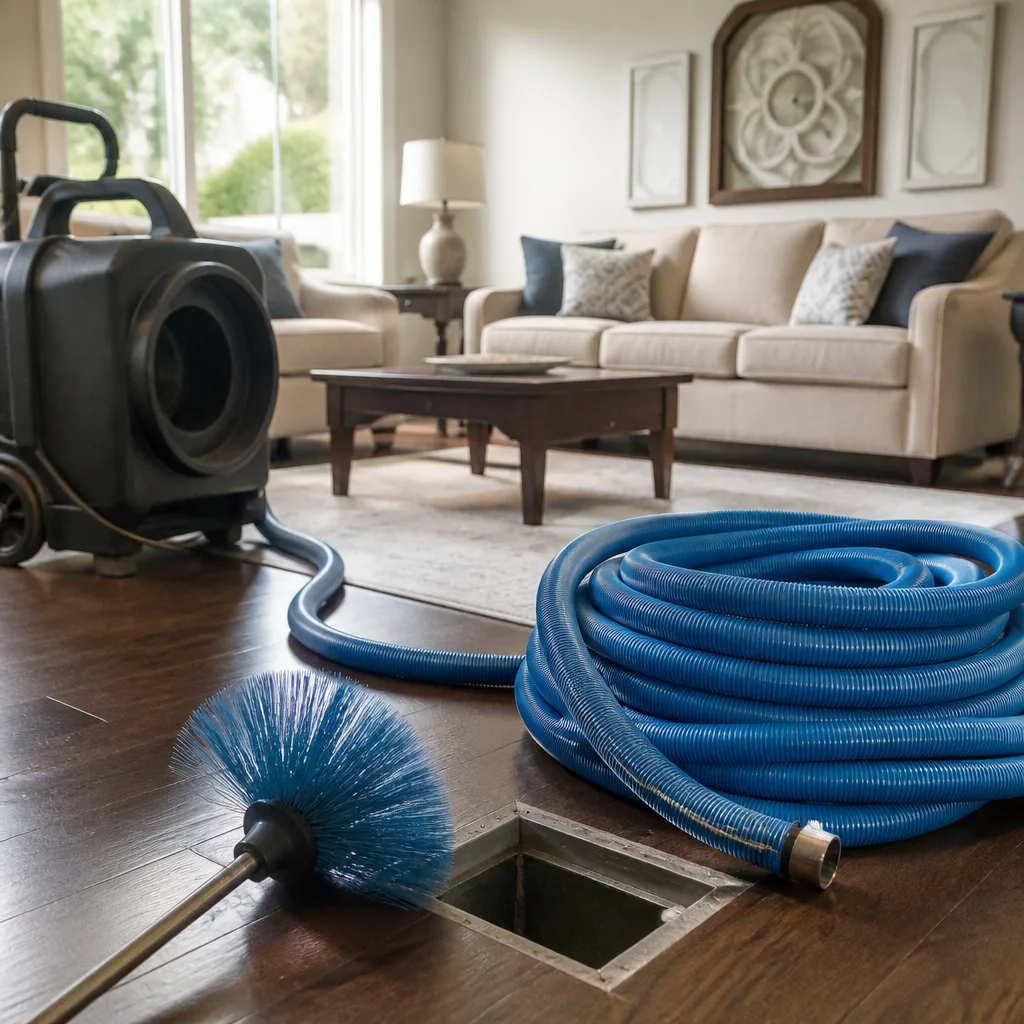 Whole-home duct cleaning
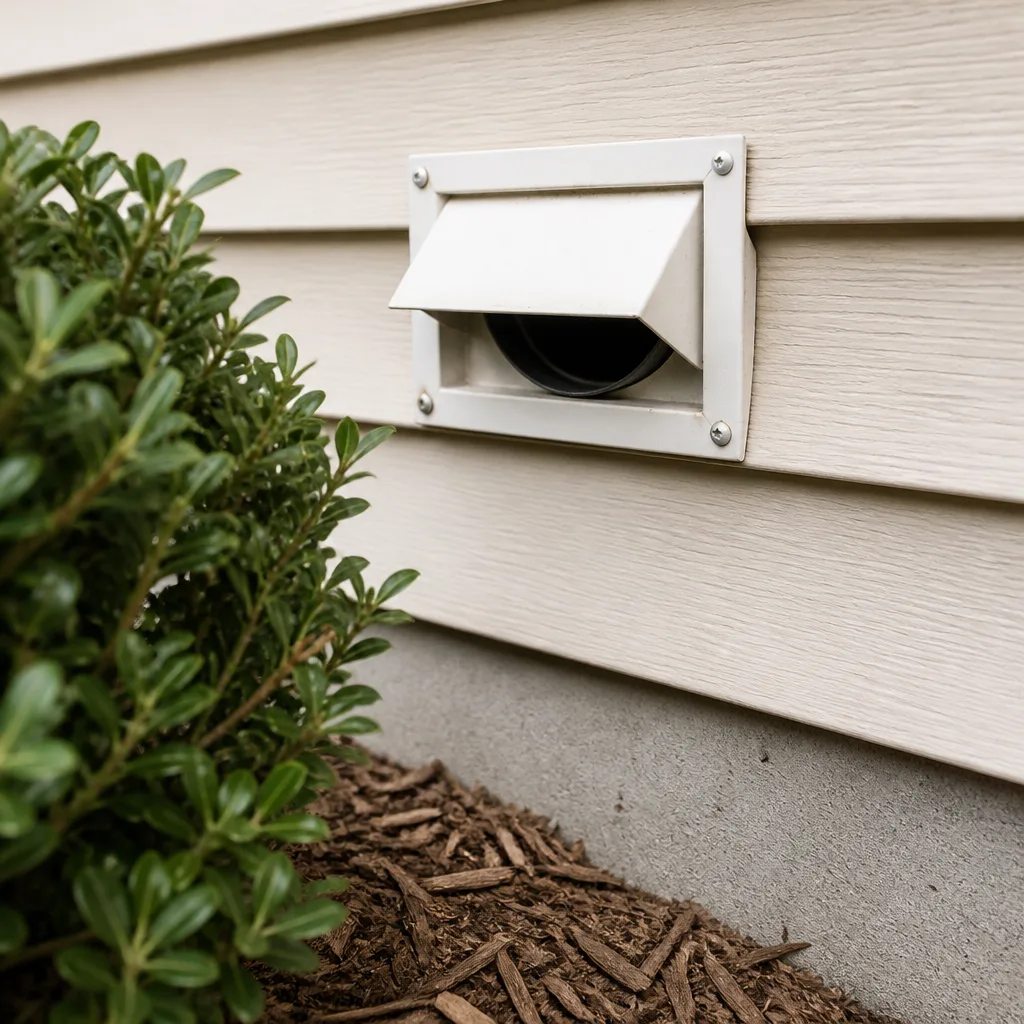 Dryer vent cleaning
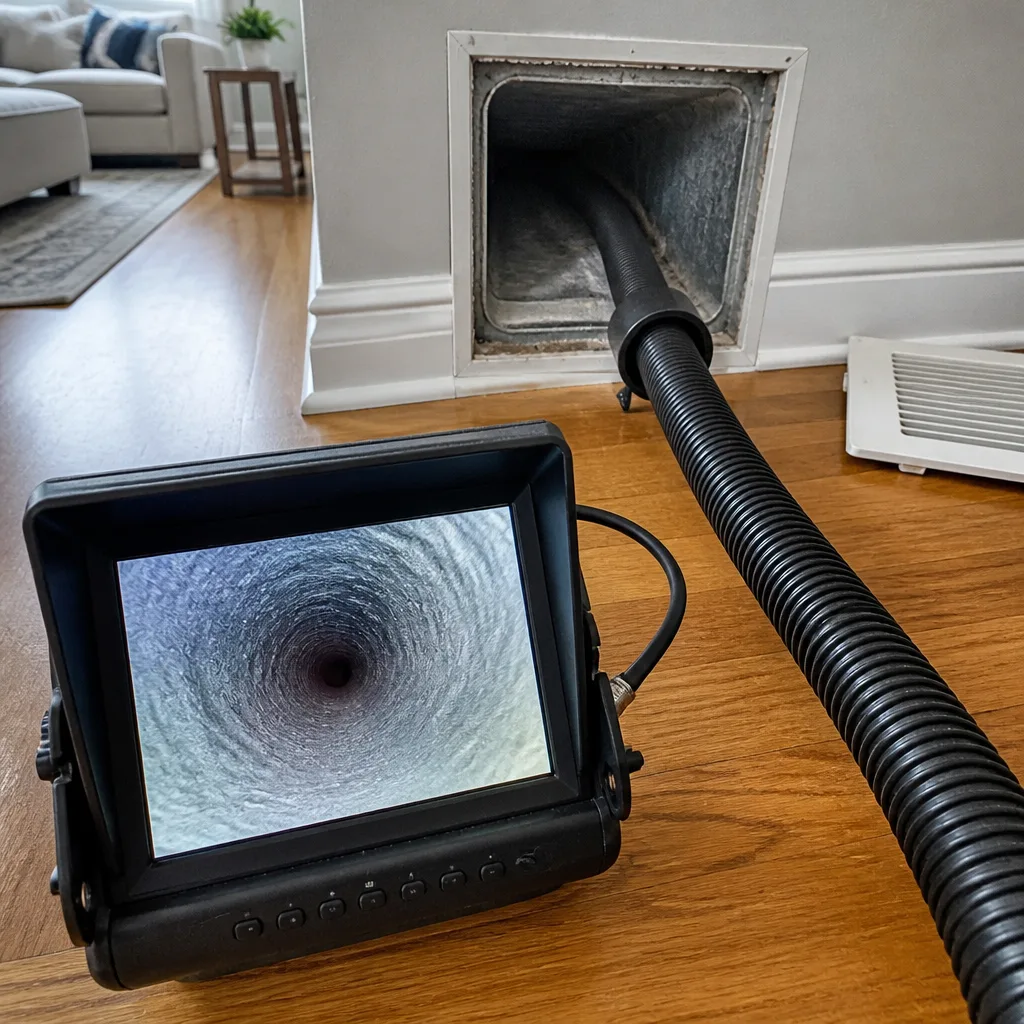 Camera inspection
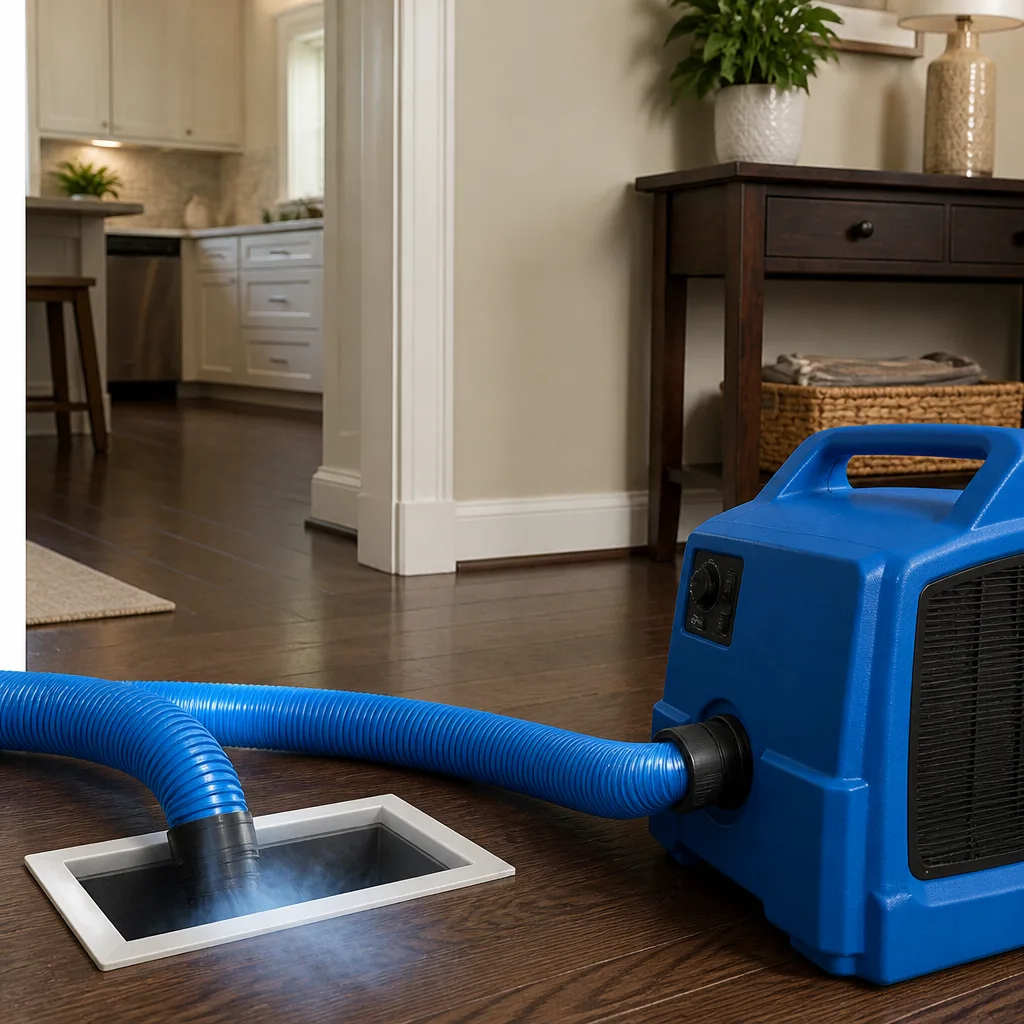 Sanitizing & deodorizing
Whole-system duct and dryer vent check with before-and-after photos - you see exactly what came out of your vents
That "$99 whole-house special" is a bait ad - the real number appears once they are in your hallway, or the "clean" is a shop-vac at the register. We photograph the inside of your ducts before and after instead.
The Complete Air Duct Cleaning Guide for Yorba Linda Homeowners
Yorba Linda sits in one of the highest particulate-pollution corridors in Southern California. SCAQMD monitoring data routinely places the eastern San Gabriel Valley and Chino Hills airshed among the worst in the region for PM2.5, the fine particulate matter that settles into lungs and ductwork alike. That means the “clean every 3 to 5 years” rule borrowed from humid climates simply doesn’t apply here. What follows is a working guide to assessing, cleaning, and maintaining your home’s air system as a system, not a chore you schedule once and forget. For more guides & resources, see our blog. You’ll learn how to evaluate your own ducts before anyone shows up, what a legitimate cleaning actually involves, how to confirm the work was done, and when Yorba Linda’s specific conditions demand action sooner rather than later.
Quick Answer
Air duct cleaning in Yorba Linda is the mechanical removal of accumulated dust, debris, and particulate matter from your HVAC system’s supply and return ductwork using agitation plus negative-pressure containment. A legitimate professional cleaning uses a rotary brush system to physically dislodge material from duct walls, then a HEPA-filtered vacuum unit to capture that material at the source rather than blowing it through the house. In Yorba Linda, where wildfire ash, hillside construction dust, and Santa Ana wind particulates load the air column, the practical interval is more often 2 to 3 years than the generic 3 to 5.
Styles & brands we work with
- Whole-home duct cleaning
- Dryer vent cleaning
- Camera inspection
- Sanitizing & deodorizing
Table of Contents
- Assess Before You Clean: Duct Systems in Yorba Linda Homes
- Why Negative-Pressure Containment Is the Non-Negotiable Baseline
- Yorba Linda’s Specific Contamination Drivers
- What Professional-Grade Equipment Looks Like
- How to Read a Post-Cleaning Report
- A Maintenance Calendar for Yorba Linda’s Seasonal Patterns
- Common Mistakes to Avoid
- When to Call a Professional
- Frequently Asked Questions
Assess Before You Clean: Duct Systems in Yorba Linda Homes
Most homeowners call for duct cleaning only after something goes wrong: a musty smell, a dust bloom from the registers, a respiratory complaint that won’t clear. By then, the system has been failing quietly for months. The better approach is to treat duct cleaning as an inspection first and a cleaning second. That starts with knowing what kind of system your house actually has, because Yorba Linda’s housing stock spans two very different construction eras with two very different duct profiles.
Homes built during the major development push of the 1970s through the 1990s, which accounts for much of the tract housing in neighborhoods like Fairmont, Bryant Ranch, and the older sections near the library, typically used sheet metal supply trunks with flex duct branch runs. Sheet metal trunks hold up well over time, but the flex sections sag, tear, and collect debris at the low points. Homes built from the 2000s onward, including much of the eastside development off La Palma and the hillside communities toward Chino Hills, lean heavily on flex duct throughout, sometimes with fiberboard plenums at the air handler. Flex duct is cheaper and faster to install, but it’s also more prone to internal wall buildup because the ribbed interior catches particulate matter that smooth metal would pass. Fiberboard, when used, adds a third variable: it’s porous, it holds moisture, and it can’t be cleaned the same way metal can.
Before any cleaning, locate your system’s access points. Every professional assessment starts with counting the supply registers, identifying the return air configuration, and locating the air handler. In Yorba Linda’s split-level and two-story tracts, returns are frequently undercut in hallways or stairwells, which means they pull from high-traffic areas and load the system with carpet fiber and skin cells faster than a dedicated return in a hallway ceiling would. If you don’t know where your returns are, that’s a signal you’ve never had a proper system assessment.
Why Negative-Pressure Containment Is the Non-Negotiable Baseline
Here’s the difference between a real duct cleaning and a wasted afternoon: negative-pressure containment. Most budget operations, the ones that run a shop-vac out of a pickup truck, blow air through the system and call it a day. The problem is that blowing air through a duct just moves loose particulate around. It doesn’t dislodge the layer of material bonded to the duct walls by static charge and moisture, and it doesn’t prevent the loosened material from blowing back into the house through the registers. If a contractor shows up without a HEPA-filtered negative-air unit, you’re paying to stir your system, not clean it.
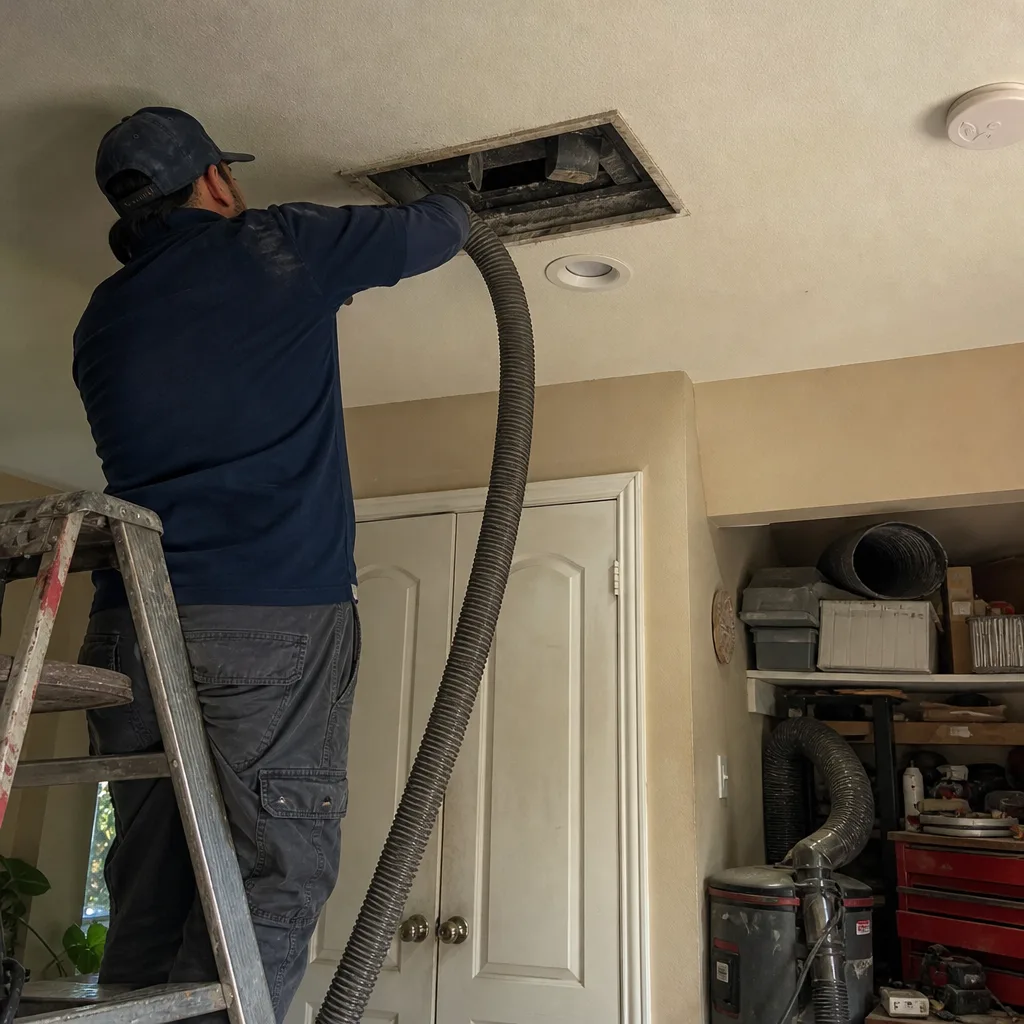
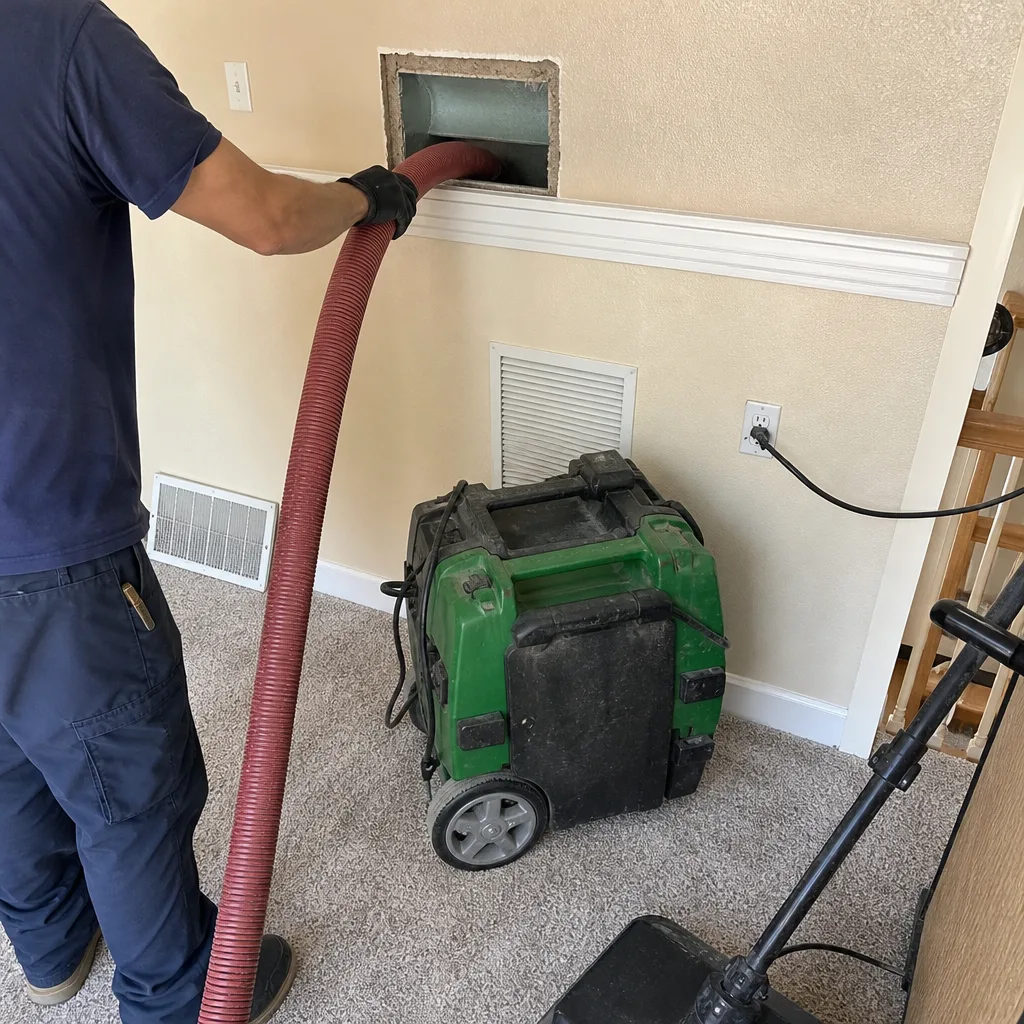
A proper setup connects a high-powered vacuum unit directly to the duct system, pulling the entire air column into negative pressure. While the system is under vacuum, a rotary brush, typically 8 to 12 inches in diameter and driven by an air whip or electric motor, runs the full interior length of each run. The brush scrubs the walls. The vacuum captures what the brush releases. The key is that both operations happen simultaneously, within a sealed system, so nothing gets redistributed through the house. That’s the baseline: mechanical agitation plus simultaneous extraction under negative pressure. If a contractor can’t describe their process in those terms, they don’t have one.
Verification is straightforward. Ask what vacuum unit they’re running and what its CFM rating is at the collection point. Ask where they’ll connect it and how they’ll seal the system during cleaning. Ask whether the filtration is true HEPA. A professional working with Nikro or Abatement Technologies HEPA units will answer those questions immediately. If the answer is vague, hang up.
Yorba Linda’s Specific Contamination Drivers
Yorba Linda’s duct systems face contamination pressure that homes in coastal Orange County simply don’t experience. Three drivers dominate, and each has a different signature in the ductwork.
First, wildfire ash. Yorba Linda is flanked by Chino Hills State Park to the north and east, and the Santa Ana wind corridor funnels smoke and fine ash directly into residential areas during fire season. Ash is different from ordinary household dust. It’s finer, it’s chemically active, and it bonds to duct walls with moisture from the air column. Homes that ran their HVAC during a smoke event, even briefly, pull ash into the supply side where it coats the plenum, the first few feet of each run, and the register boots. This isn’t visible from the outside. By the time you see ash streaking on a wall or windowsill, the duct system has already ingested a measurable load.
Second, construction dust. The ongoing hillside development in east Yorba Linda and the redevelopment of older lots produces silica-heavy dust that hangs in the air column for days after grading or demolition. Construction dust is heavier than household dust, which means it settles in the horizontal runs and low points of the system rather than remaining suspended. It’s the kind of material that causes a measurable drop in airflow over time, not just an aesthetic problem.
Third, pool-area humidity. Yorba Linda has a high concentration of homes with pools, and return vents located near pool areas, sliding glass doors, or covered patios pull humid, chlorinated air into the system. Humidity introduces moisture into the ductwork, and moisture changes everything: it makes dust bond to surfaces, it accelerates the degradation of flex duct, and it creates conditions where microbial growth becomes possible in fiberglass-lined or fiberboard sections. A home with a nearby pool and a return vent within ten feet of the pool area is a home that needs more frequent duct assessment than the same floor plan without a pool.
What Professional-Grade Equipment Looks Like
The equipment a contractor runs tells you more than their Google reviews ever will. Duct cleaning is a mechanical operation, and the tools determine the outcome. Here’s what we run and why it matters.
Agitation is handled by a Rotobrush rotary system. A rotating brush head, typically powered by an air motor, travels the full length of each duct run while spinning at speed against the interior walls. This matters because the brush physically dislodges material that airflow alone can’t move. Dust that has sat for years, bonded to metal or flex duct by static and moisture, requires mechanical contact to release. Airflow-only methods, the kind that most coupon operations use, leave that layer intact. The brush removes it. The brush also does something else: it reveals the condition of the duct walls themselves. A rotary brush will catch on a torn flex liner, a separated joint, or a collapsed section, which turns the cleaning into an inspection by default.
Extraction is handled by Nikro and Abatement Technologies HEPA filtration units. These are not shop vacuums. They’re industrial-grade negative-air machines that pull the entire duct system into a controlled vacuum state while the brush works. The HEPA filter on the discharge side captures 99.97% of particles at 0.3 microns, which means the air exiting the machine is cleaner than the air in most living rooms. Combined, the Rotobrush and the HEPA unit form a single system: agitate, release, capture. Nothing gets blown into the house. Nothing gets left behind.
For homeowners who want to go beyond cleaning the ducts themselves, we integrate Aprilaire and Guardsman filtration products into the assessment. A properly cleaned system is only as good as the air moving through it on a daily basis, and a media cabinet or HEPA bypass filter handles the particulate load between cleanings. That’s the difference between treating the symptom and treating the system.
How to Read a Post-Cleaning Report
A legitimate duct cleaning produces documentation. If your contractor hands you an invoice and walks out the door, you didn’t get a professional service, you got a visit. Here’s what a proper post-cleaning report should include.
- Airflow CFM before and after for each supply register. The cleaning should produce a measurable improvement in all or most runs. A run that shows no improvement after cleaning is a run with a problem: a disconnected section, a crushed flex segment, or a blockage the cleaning didn’t address.
- Vacuum pressure readings at the collection point. The negative-pressure unit should hold consistent vacuum throughout the process. Fluctuating pressure indicates leaks or blockages in the system, which should be noted.
- A register-by-register record. Each supply register should be logged with its location, its airflow reading, and any anomalies found during cleaning. This is the document that proves the crew actually serviced every register, not just the ones visible from the front door.
- Photos of the duct interior before and after. Any contractor with professional equipment can capture images of the duct interior. You should see the before state, the after state, and the difference between them. This is what we show every homeowner, because transparency is the only verification that matters.
- Material condition notes. The brush will reveal damage: separated joints, torn flex liner, collapsed sections, signs of moisture. Those notes should be in the report, whether or not the contractor repairs them. If someone cleans a compromised duct and doesn’t tell you, they’ve done you a disservice.
If you don’t receive documentation that covers these five points, ask for it. If they can’t produce it, the work is unverifiable, and unverifiable work is no better than no work at all.
A Maintenance Calendar for Yorba Linda’s Seasonal Patterns
Yorba Linda’s air quality doesn’t follow a calendar year. It follows wind patterns, fire season, and the temperature cycle, and your maintenance schedule should follow the same rhythm.
September through November: Santa Ana Wind Season
Santa Ana winds blow from the high desert toward the coast, and Yorba Linda sits directly in that corridor. These winds carry fine desert particulate and, depending on fire activity, smoke and ash. This is the single highest-load period for any home in the 92886 and 92887 ZIP codes. If your system has been running all summer without maintenance, this is the window to address it before the particulate load compounds. Schedule an assessment in September or October if you haven’t had one in the preceding two years.
December through February: Reduced Load, Inspection Window
The winter months are Yorba Linda’s cleanest air period. HVAC load drops, and the system isn’t actively ingesting wildfire particulate. This is the best time for a full system inspection and cleaning, because the work happens when the contamination load is low. A cleaning performed now means the system enters spring and summer in its best possible condition.
March through May: Spring Bloom
Pollen from the Santa Ana River watershed and the landscaping in Yorba Linda’s residential neighborhoods loads the air column in spring. Homes with single-panel windows or older return-air filtration see a corresponding spike in duct pollen. If you have allergy-sensitive occupants, a filter upgrade and an HVAC system check in March is more useful than a full cleaning in most cases.
June through August: Peak HVAC Load
Summer is when Yorba Linda’s HVAC systems work hardest and when poorly maintained ducts cost the most in reduced efficiency and indoor air quality. The system pulls outdoor particulate through the returns all day, every day. If your ducts haven’t been cleaned in three years, the accumulated load from fire season, winter, and spring is now being circulated at maximum velocity. This is the worst time to discover a problem and the most common time it happens.
The practical rule for Yorba Linda: assess every two years, clean every two to four depending on your home’s specific exposure. A hillside home near the Chino Hills State Park boundary with pool-area returns will land on the shorter end. A mid-tract home with dedicated ceiling returns and no nearby construction may stretch to four.
Common Mistakes to Avoid
- Trusting a coupon price without asking about equipment. A $79 whole-house duct cleaning is priced for a reason: the contractor isn’t using a HEPA unit, isn’t running a rotary brush, and isn’t spending more than an hour in the home. You’re paying to have air blown through your system. In Yorba Linda’s particulate environment, that’s worse than doing nothing because it gives you a false sense that the work is done.
- Skipping the assessment and going straight to cleaning. Duct cleaning should start with an inspection of access points, duct material, and system configuration. If a contractor arrives ready to clean without looking, they’re running a one-size-fits-all process that won’t account for your home’s specific vulnerabilities, like the flex duct sag common in Yorba Linda’s 1980s tract homes.
- Ignoring the dryer vent. Dryer vents are part of the home’s air system, and in Yorba Linda they accumulate the same wildfire ash and construction dust as the HVAC ducts. But the stakes are higher: lint and fine particulate in a dryer vent is a fire hazard, not just an air quality issue. Vent cleaning should be treated as a fire-safety service, which is how Dryer Vent Cleaning in Yorba Linda should be performed by any professional.
- Assuming a cleaning fixes damaged ducts. A cleaning removes what’s inside the ducts. It doesn’t repair separated joints, collapsed flex sections, or disconnected runs. If your system has structural issues, cleaning is step one. Air Duct Repair in Yorba Linda is a separate service that addresses the root cause of air loss and contamination.
- Waiting for visible signs. By the time you see dust blooms from registers or smell anything unusual, the system has been circulating contaminated air for months or years. In a high-particulate environment like Yorba Linda, schedule assessment on a rhythm, not on a symptom.
- Not asking for documentation. A professional cleaning produces a report: airflow readings, pressure readings, photos, material condition notes. If you don’t ask for this, you can’t verify the work, and unverified work is a bet you shouldn’t have to take.
When to Call a Professional
Certain conditions demand professional attention now, not at the next convenient maintenance window. If you ran your HVAC during a wildfire smoke event and haven’t had the system assessed since, the supply side is carrying ash that needs mechanical removal. If you’ve completed a remodel or nearby grading work has kicked dust through your neighborhood, the horizontal runs have likely accumulated construction particulate. If a return vent sits within ten feet of a pool, spa, or consistently humid area, moisture exposure changes the contamination profile. And if an airflow reading at any register shows a significant drop from others in the same system, you have a structural problem that cleaning alone won’t solve. In any of these cases, the assessment should happen this season, not next year. Our team at Duct Cleaning Yorba Linda home performs free estimates throughout Yorba Linda. Call (877) 600-3906 to schedule an inspection, and we’ll document what’s in your system before we ever recommend a cleaning.
Frequently Asked Questions
Professional whole-system cleaning in Yorba Linda typically ranges from $400 to $900 depending on home size, number of registers, and system configuration. Homes in older tract developments from the 1970s through 1990s often have more complex configurations that take longer to clean properly. Call (877) 600-3906 for an exact quote based on your home’s specifics.
Cheaper quotes come from operations running airflow-only methods with portable shop vacuums instead of HEPA-filtered negative-air units and rotary brush systems. You’re paying for a different service entirely: a surface-level blow-through that leaves bonded material on the duct walls. In Yorba Linda’s particulate environment, that service provides no meaningful air quality improvement.
Ask for a post-cleaning report with before-and-after photos of the duct interior, airflow CFM readings for each register, and vacuum pressure logs from the extraction unit. A contractor running professional equipment can produce all three. Ours are standard on every Air Duct Cleaning in Yorba Linda job, because the only verification that matters is what you can see and measure.
Every two to three years for most homes, shorter for hillside properties near the Chino Hills corridor or homes with pool-area returns. The frequency depends on your home’s specific particulate exposure, which is why a baseline assessment matters more than a generic schedule.
Visible dust from registers is a late-stage symptom, not an early warning. By that point the system has been circulating contaminated air for months. The value of cleaning is removing what you can’t see from the air you breathe daily, which is the entire point of mechanical removal vs. airflow-only methods.
Yes, if your HVAC ran during a smoke event. Smoke particulate enters the return side, coats the interior of the supply ducts, and recirculates long after the outdoor air clears. A mechanical cleaning with HEPA extraction removes that residue from the system itself, which is the only way to address what’s inside the ducts rather than just the air passing through them.
The Bottom Line
Duct cleaning in Yorba Linda is a system health decision, not a chorechecked off a list. The homes here face particulate loads, wildfire ash, construction dust, Santa Ana winds, and pool humidity, that most communities don’t, and the generic maintenance advice from other climates simply doesn’t transfer. Assessment comes first, cleaning second, and both should be backed by documentation that proves the work in measurable terms. A real cleaning uses mechanical agitation and HEPA-filtered negative-pressure containment. Anything less is air blowing. If it’s time to assess your system, call (877) 600-3906. We’ll inspect, document, and tell you honestly what your ducts need and what they don’t.
Written by the team at Duct Cleaning Yorba Linda, serving Yorba Linda since 2011.
See the difference
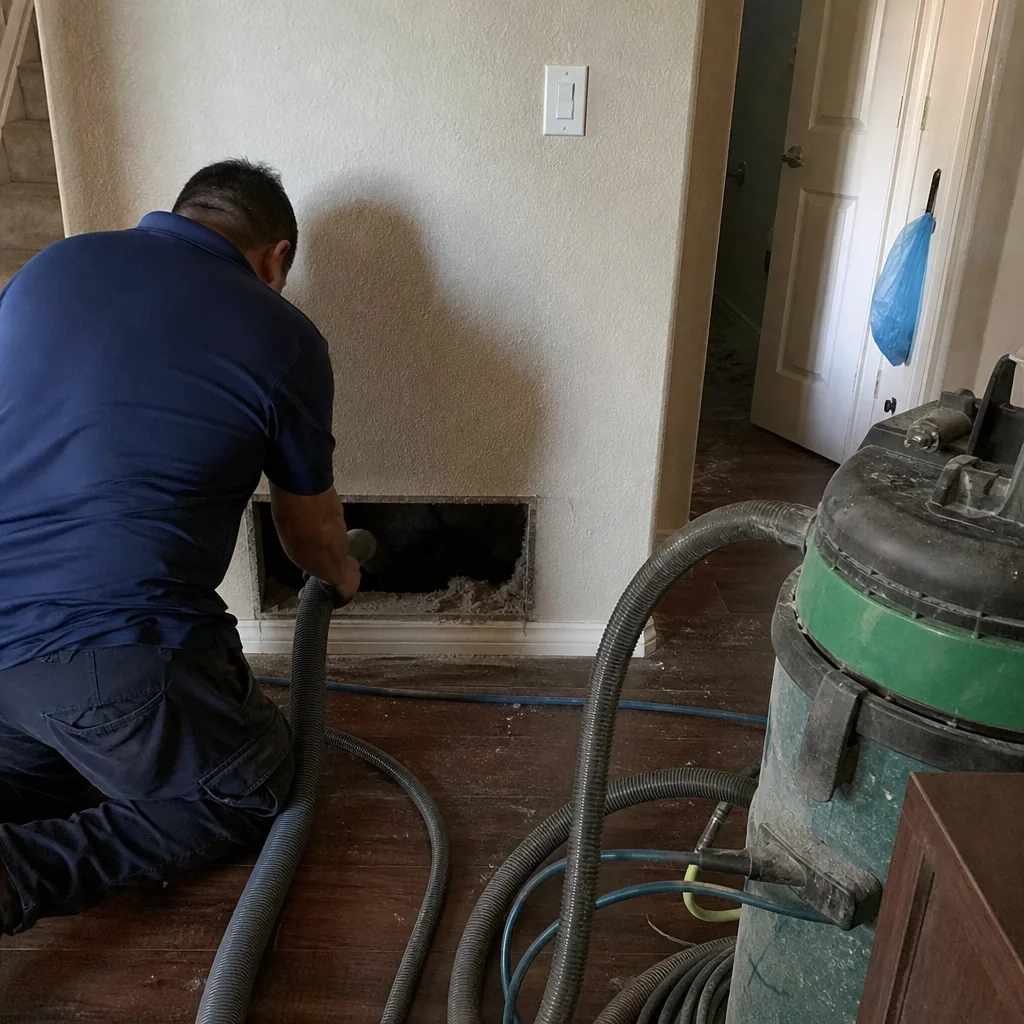 Before
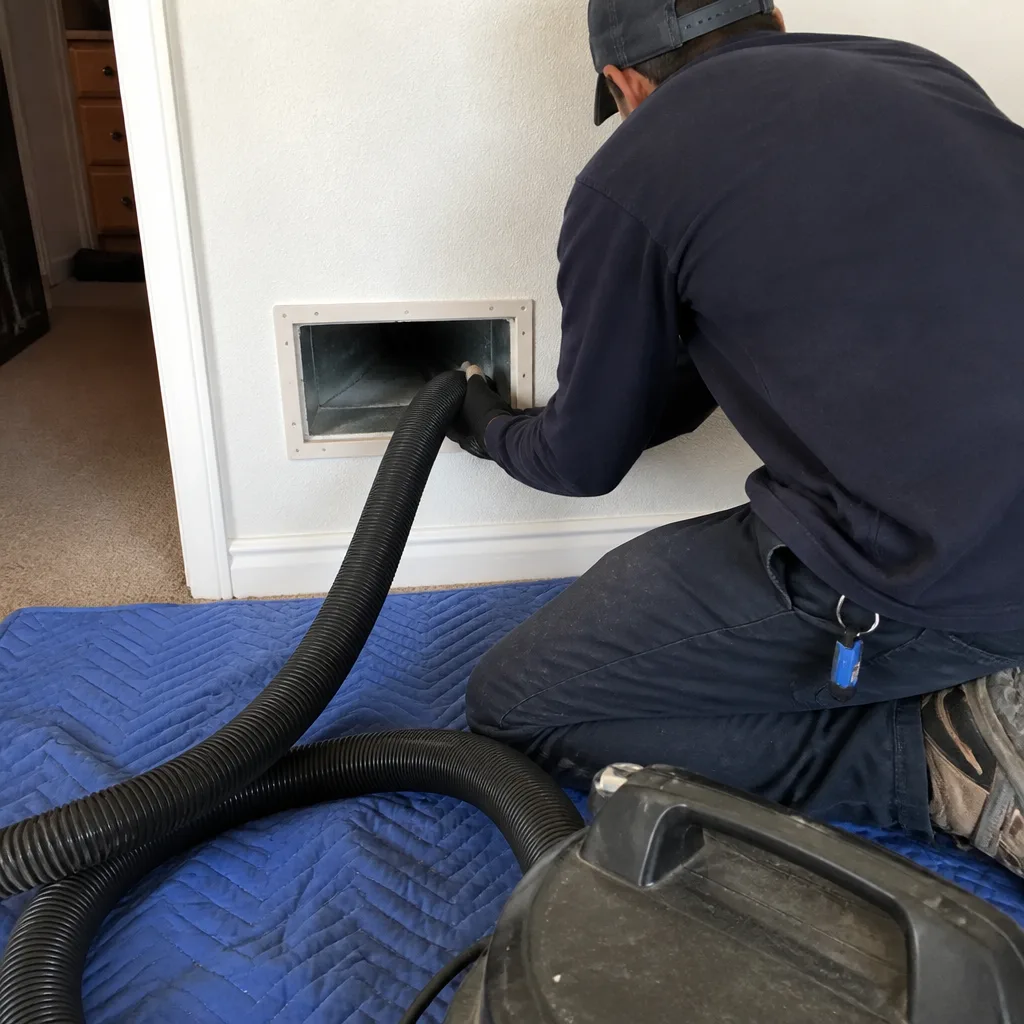 After
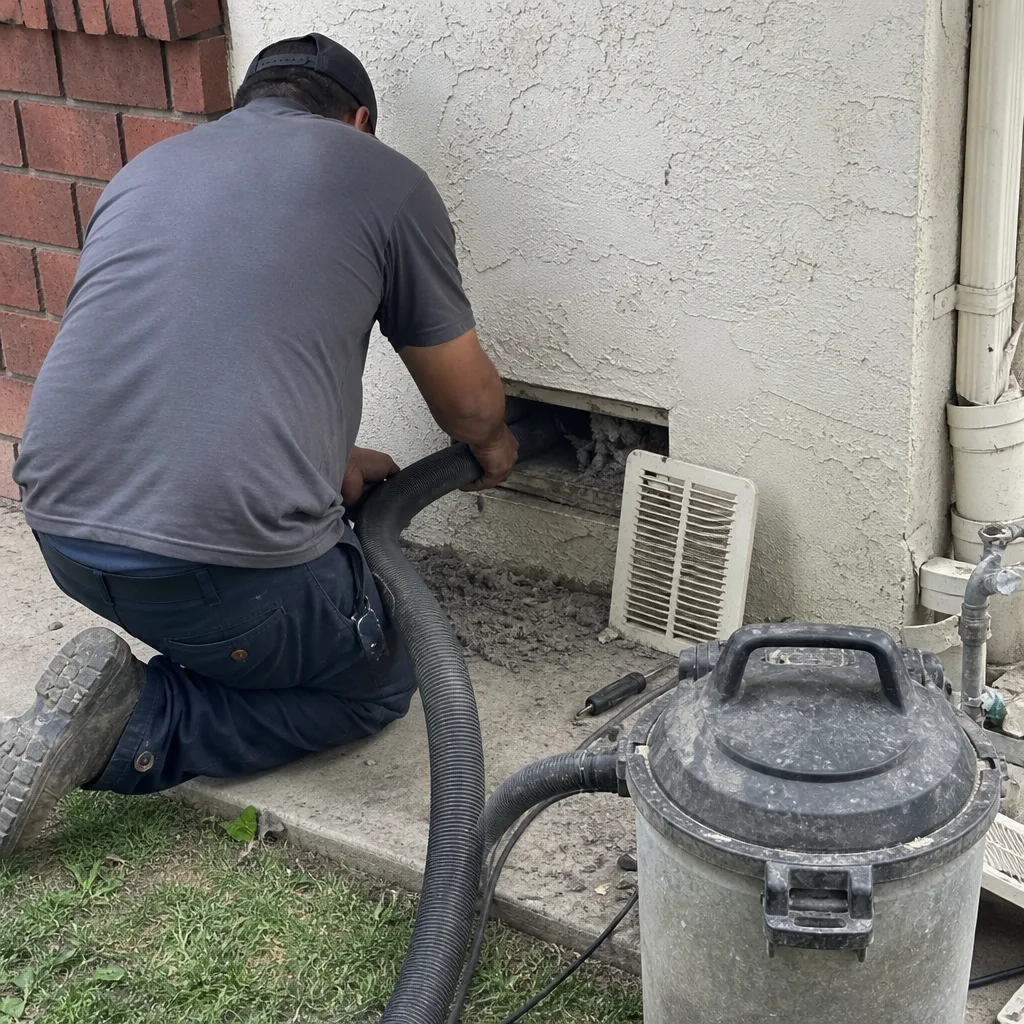 Before
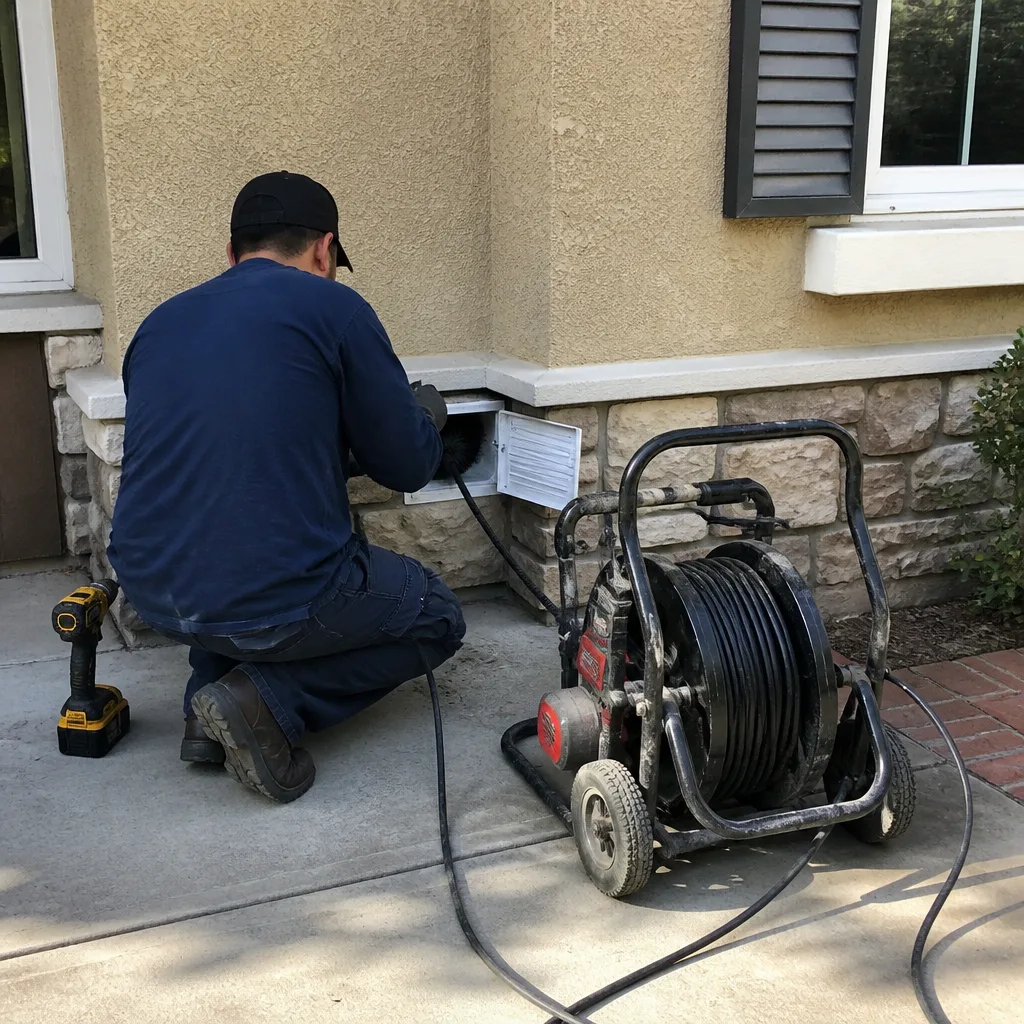 After
 Before
 After