
Last updated November 2, 2026
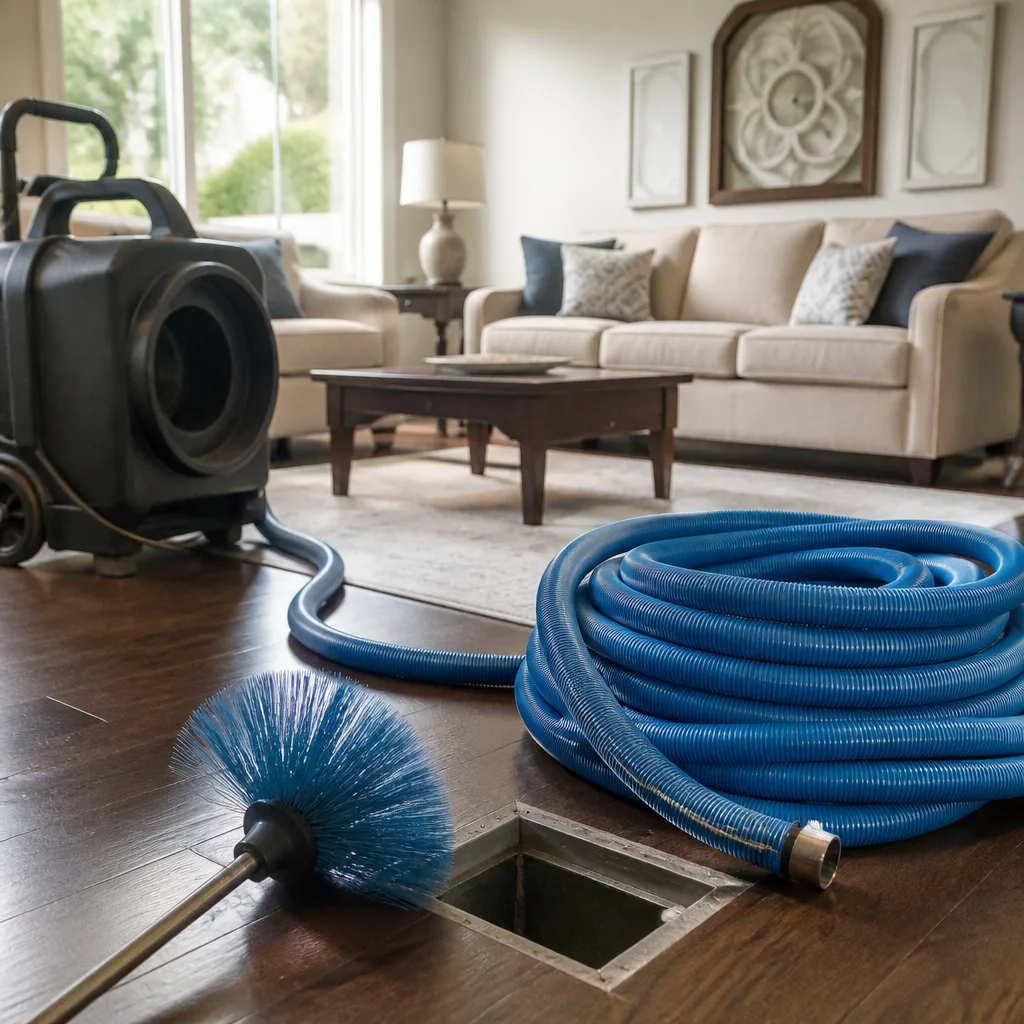 Whole-home duct cleaning
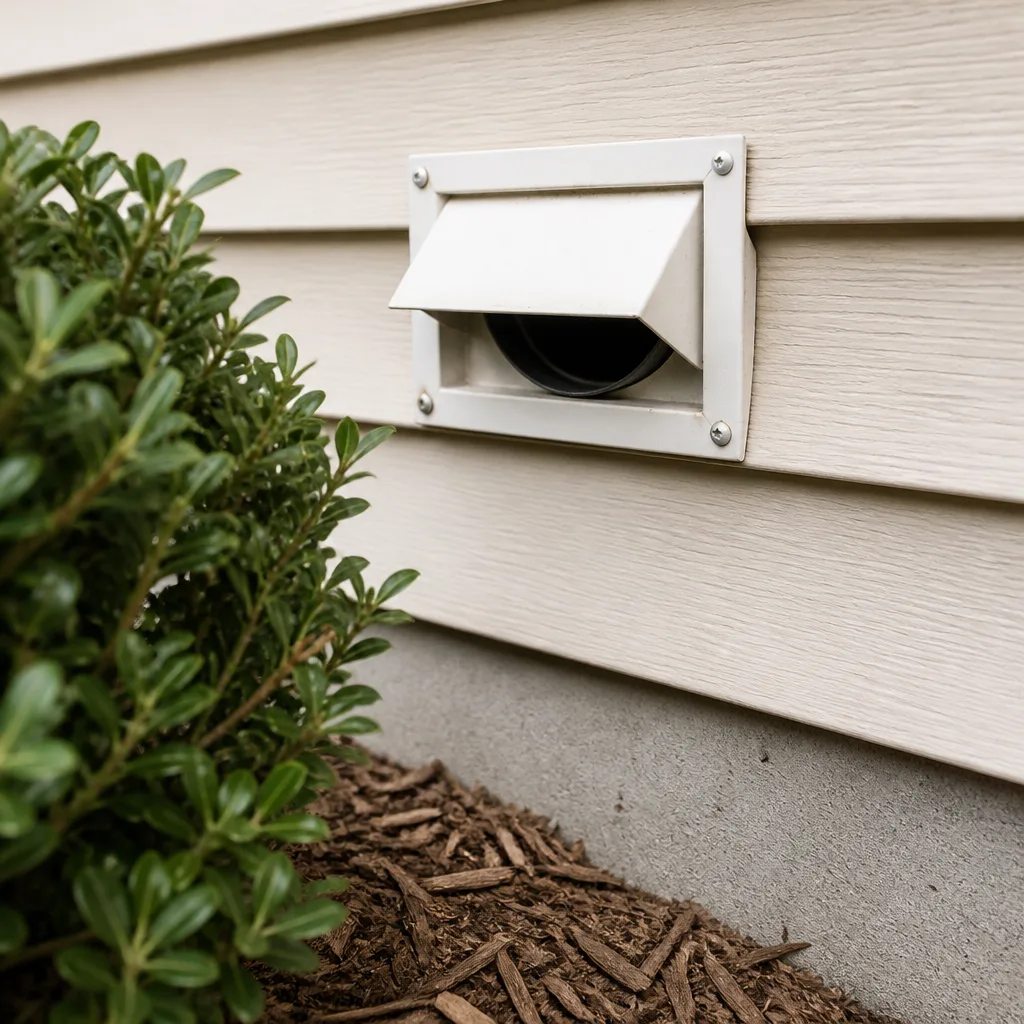 Dryer vent cleaning
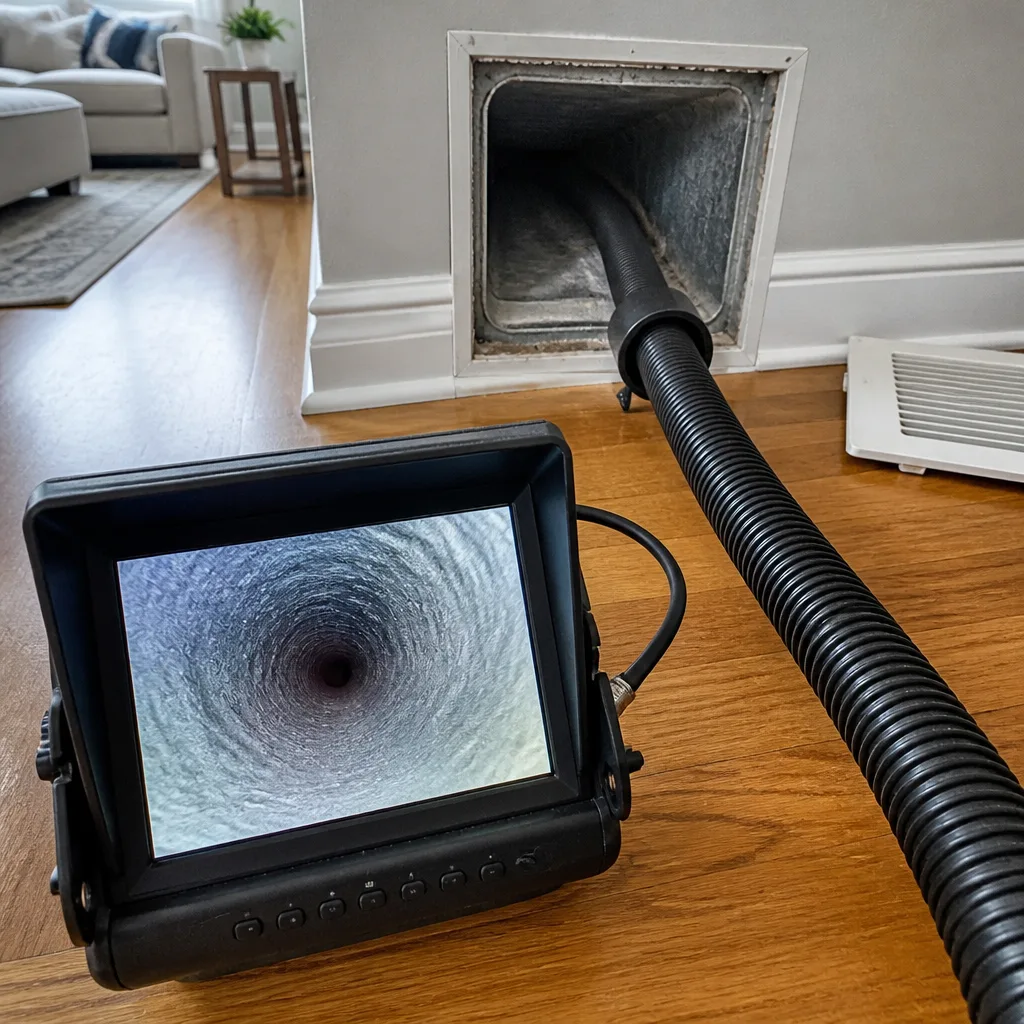 Camera inspection
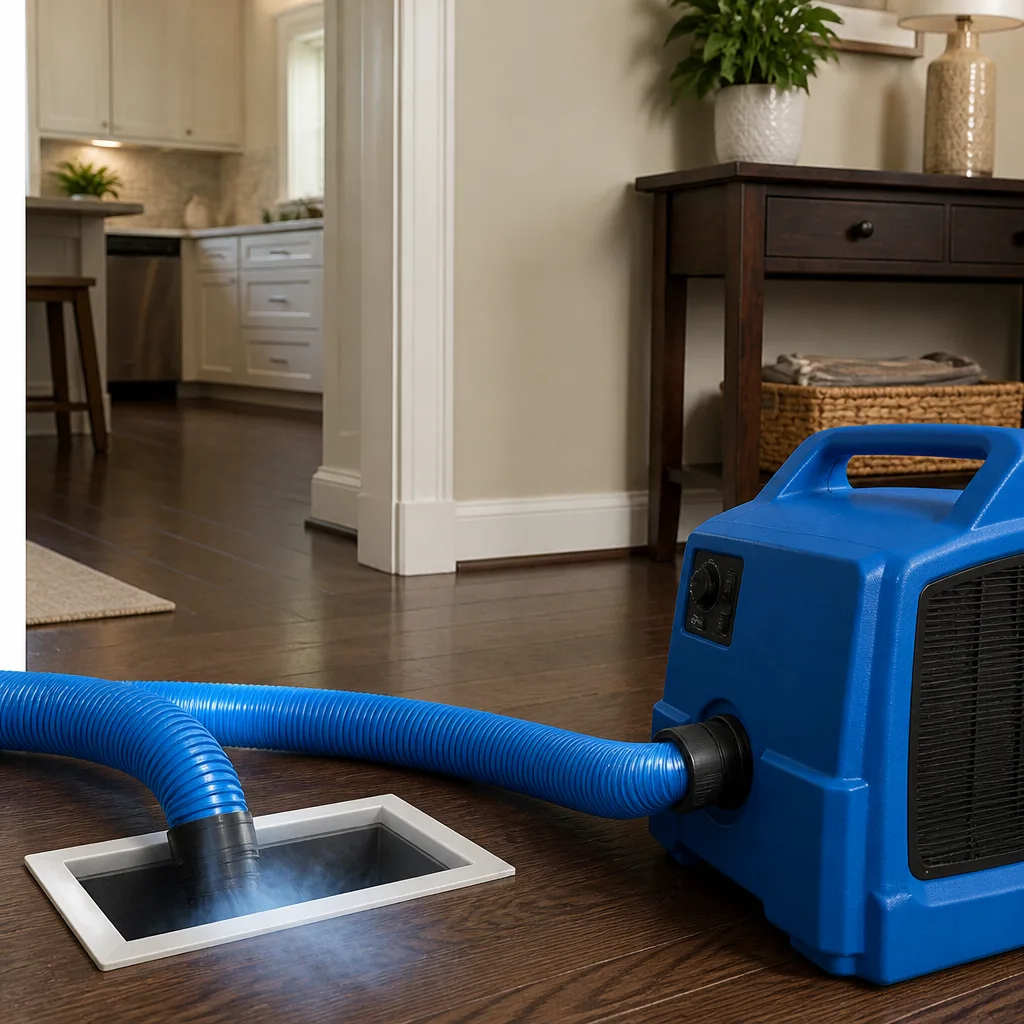 Sanitizing & deodorizing
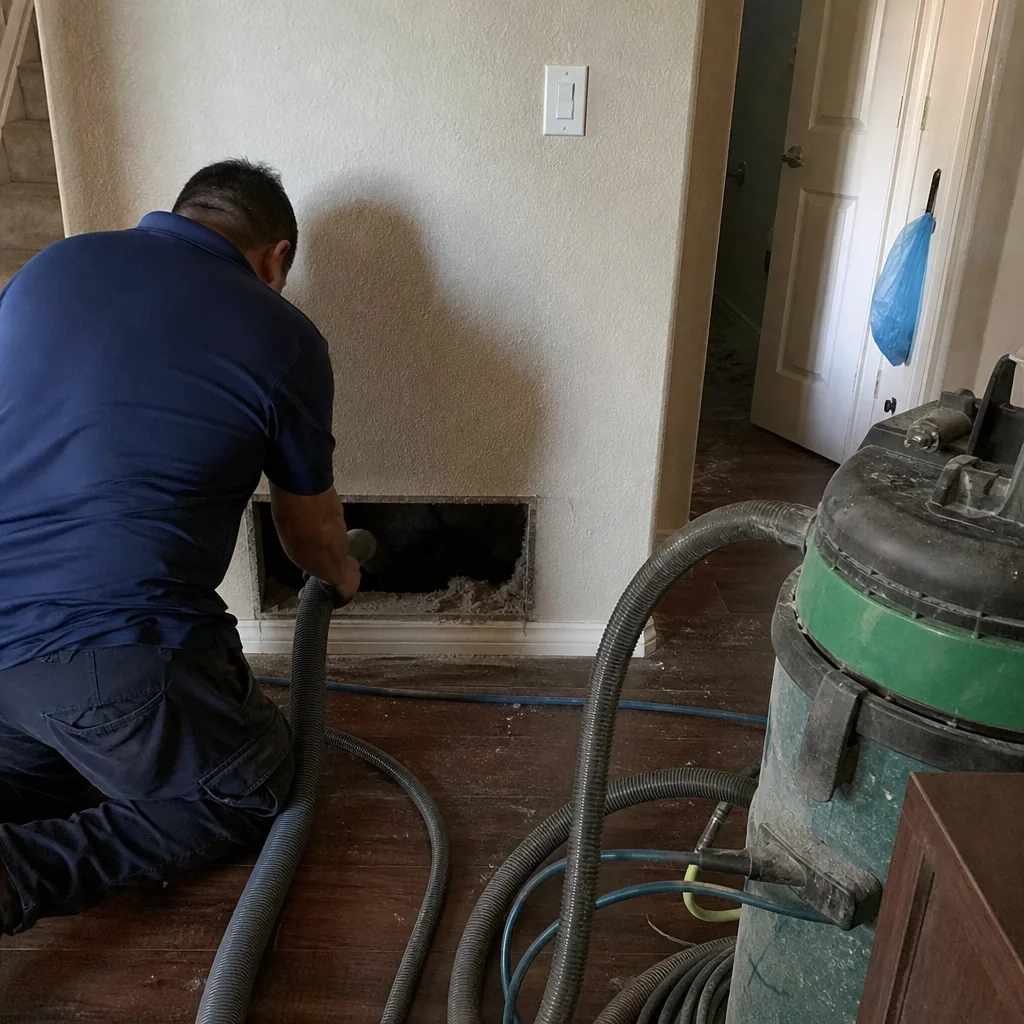
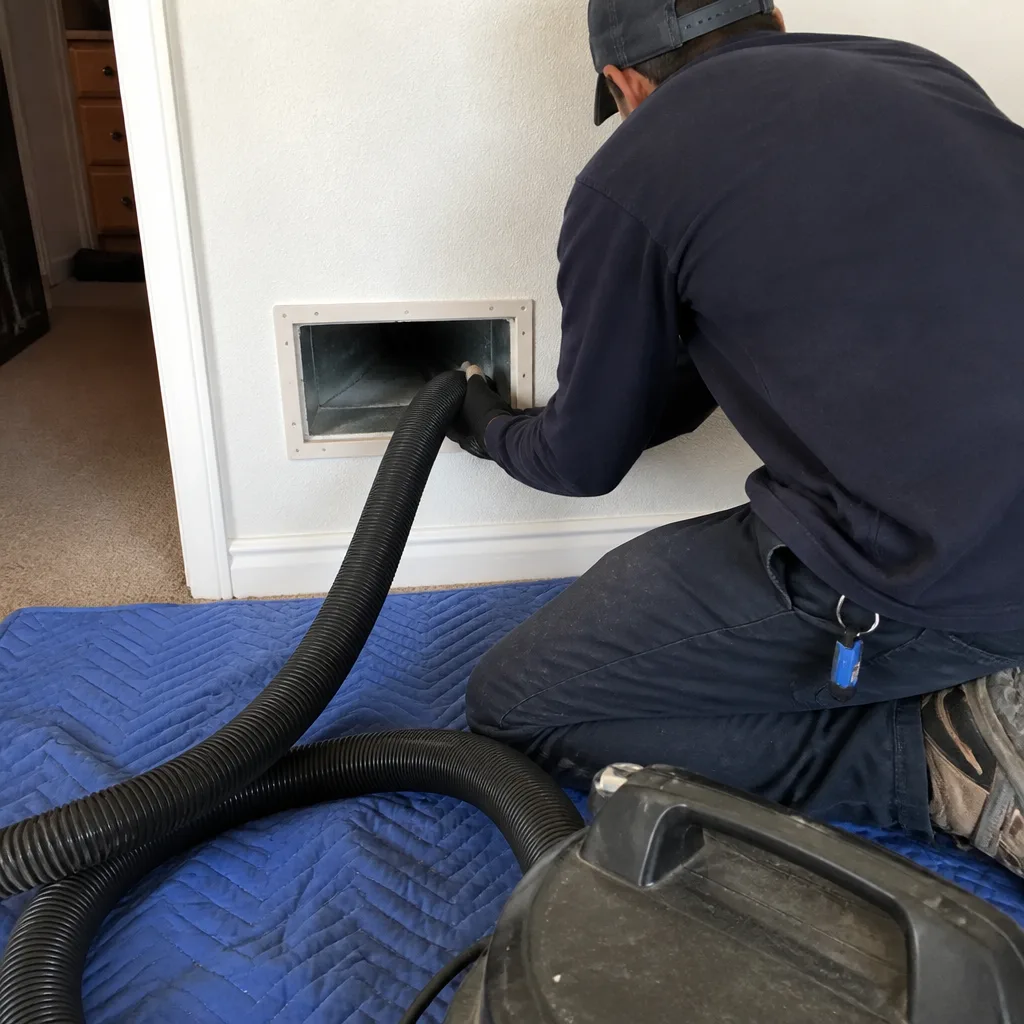
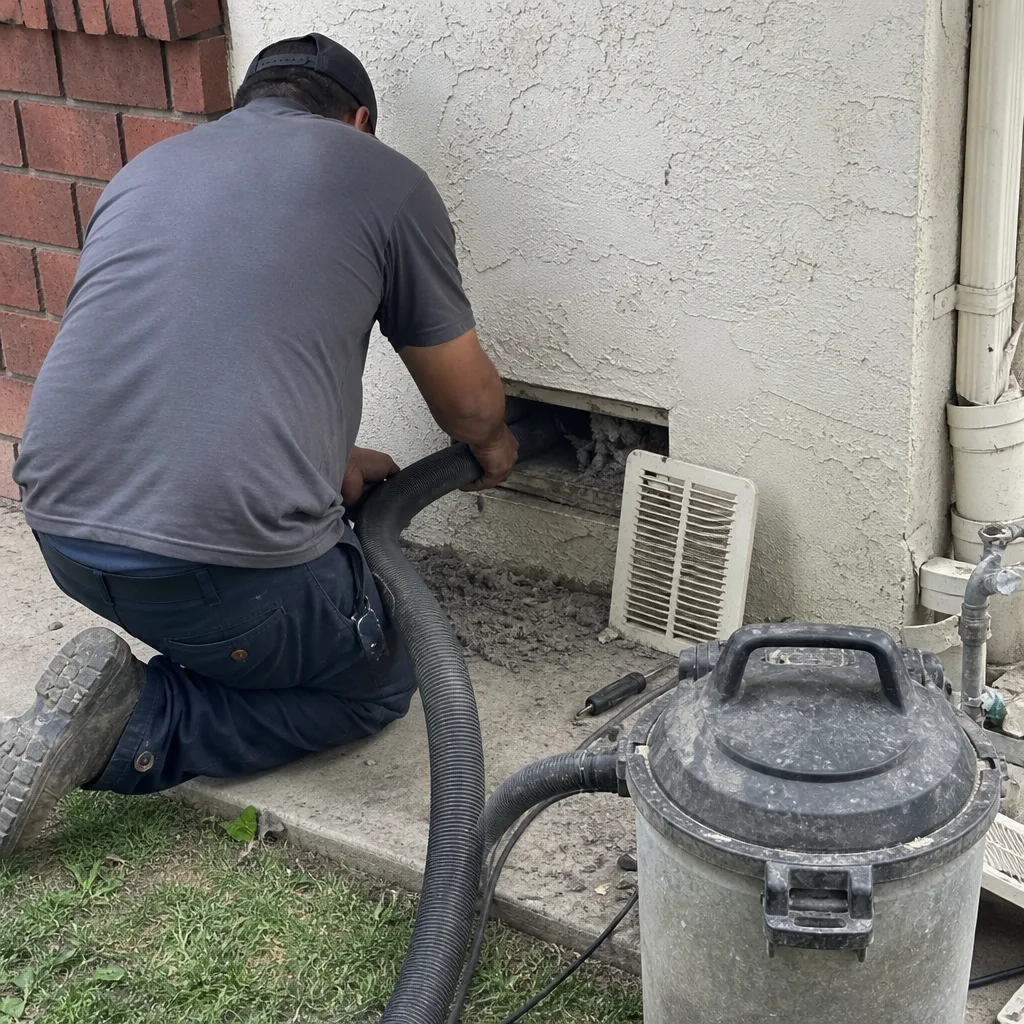
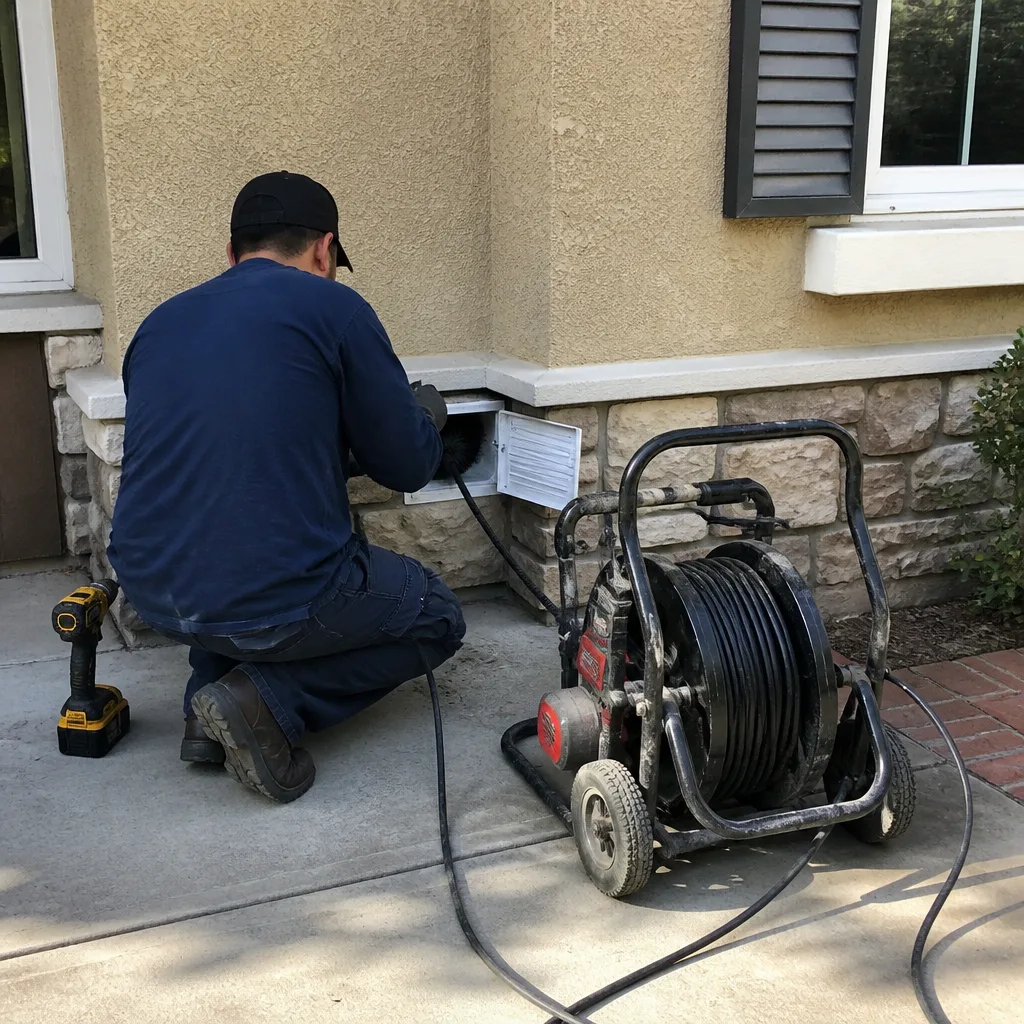
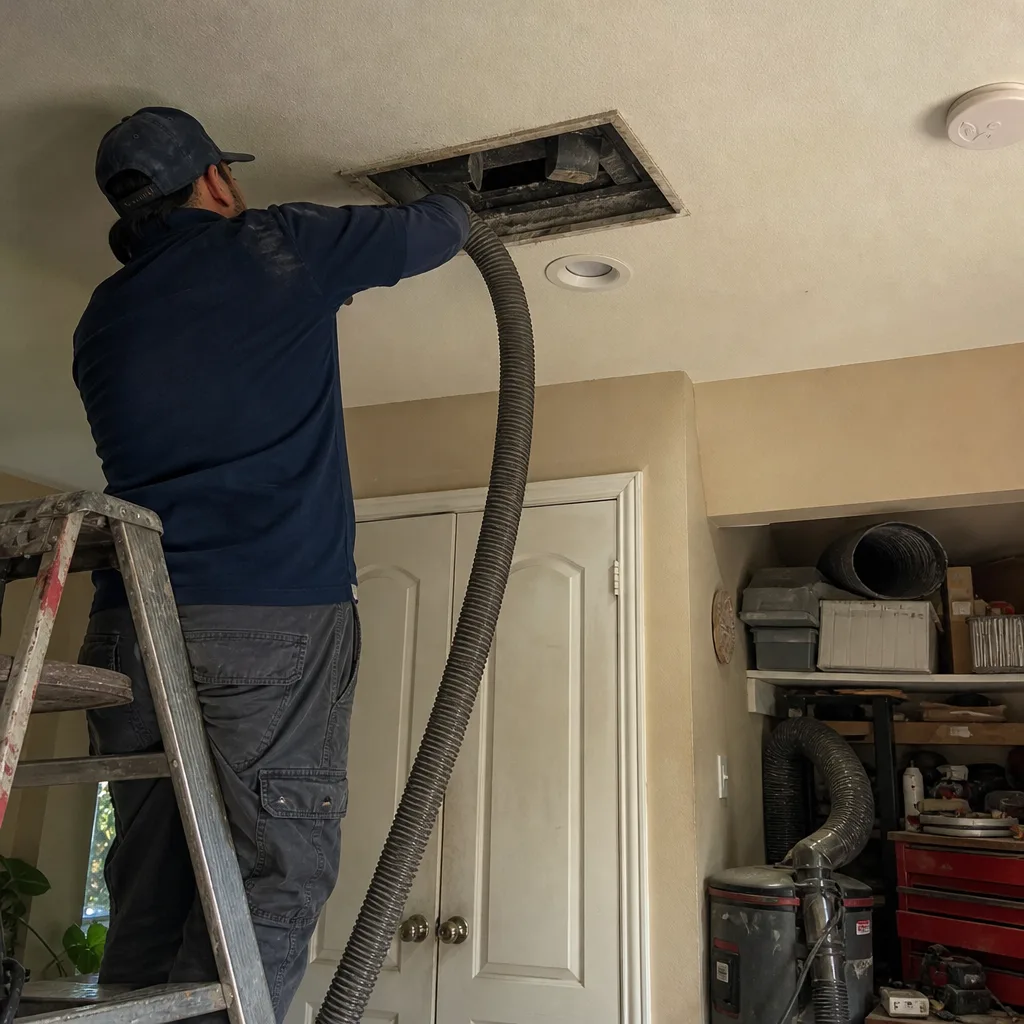
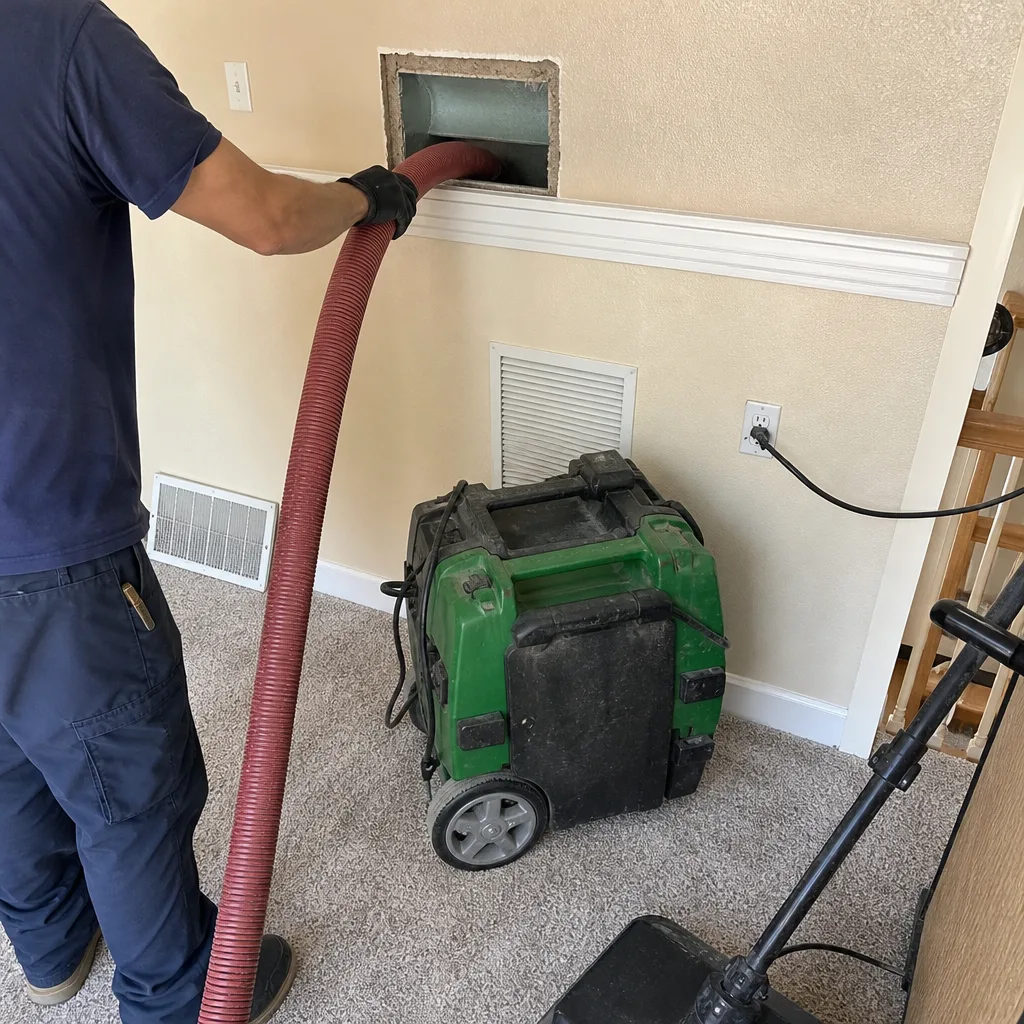
Whole-system duct and dryer vent check with before-and-after photos - you see exactly what came out of your vents
That "$99 whole-house special" is a bait ad - the real number appears once they are in your hallway, or the "clean" is a shop-vac at the register. We photograph the inside of your ducts before and after instead.
Seasonal Air Duct Cleaning Care for Yorba Linda: Year-Round Homeowner’s Guide
The worst time to discover your ducts are loaded with wildfire particulate is February, when you’ve been recirculating that air since October. By then, every Santa Ana wind event, every smoke intrusion, and every hour of winter heating has pushed more debris through your system while you slept. Yorba Linda’s event-driven air quality calendar makes the generic “clean every 3-5 years” advice incomplete, and honestly, it always was. This guide lays out what actually happens to your air system across Yorba Linda’s four seasons, which events trigger real contamination, and how to build a condition-based maintenance log instead of guessing at a calendar.
Quick Answer
Seasonal air duct cleaning in Yorba Linda should follow the area’s event calendar, not a fixed time schedule. The three highest-risk periods are fall Santa Ana wind season (October-November), summer peak HVAC load (July-September), and post-wildfire smoke intrusions that can occur any month. Inspect your system after these events and schedule professional cleaning when visible debris, airflow changes, or filter loading tell you the system is compromised.
Styles & brands we work with
- Whole-home duct cleaning
- Dryer vent cleaning
- Camera inspection
- Sanitizing & deodorizing
Table of Contents
- Fall Santa Ana Season: The High-Risk Intake Months
- Summer HVAC Load: How Inland Heat Accelerates Duct Contamination
- Spring Pollen: Compacted Buildup at Register Boots
- Winter Condensation: Attic Duct Risks During Wet Years
- Building an Event-Triggered Log Instead of a Calendar-Triggered One
- When to Call a Professional Mid-Cycle
- Common Mistakes to Avoid
- When to Call a Professional
- Frequently Asked Questions
If you own a home in Yorba Linda, this guide is written for you. If you’re new to the area or have never thought about your ducts beyond “they exist,” you’ll finish with a working understanding of how seasonal events affect what you breathe indoors.
Fall Santa Ana Season: The High-Risk Intake Months
October and November are the months when Yorba Linda’s air quality flips from manageable to problematic, sometimes within a single afternoon. Santa Ana winds originate inland, moving high-pressure air from the desert toward the coast. As that air descends through the Cajon Pass and pushes across the Santa Ana Mountains, it picks up dust, pollen, and dry particulate. In wildfire years, it picks up smoke and ash. Your HVAC system pulls that air into the return registers and distributes it through every supply run in the house.
Here’s what happens inside the ducts during a Santa Ana cycle:
- Static pressure shifts: High winds create negative pressure zones around exterior walls and roof penetrations. Leaky duct joints in unconditioned attic spaces draw in outside air, bypassing the filter entirely. The particulate in that air never gets captured; it deposits directly onto duct walls.
- Filter loading accelerates: A standard 1-inch filter that normally lasts 6-8 weeks in Yorba Linda spring air can load in 2-3 weeks during Santa Ana events. Loaded filters go into bypass, meaning less air passes through the media and more unfiltered air slips around the edges.
- Fine particulate accumulation: Wildfire smoke particulate is extraordinarily fine – PM2.5 and smaller. These particles deposit in the supply runs closest to the air handler and stay there. They don’t blow out easily. They settle and bond with duct surface dust.
Post-Event Filter Inspection: What to Actually Check
After a Santa Ana wind event or wildfire smoke intrusion clears, pull your filter and look at it. Here’s what matters:
- Color and thickness of the deposit: If the filter is gray-black and you can see particle buildup between the pleats, the system cycled significant particulate. That fine material is also in your ducts.
- Distribution pattern: Streaks or uneven loading on the filter face indicate air bypass. That means debris is getting around the filter and depositing deeper in the system.
- Run time since last change: If the filter hit this state in under 30 days, your system intake is pulling high particulate loads. This is the single most reliable indicator that a professional duct inspection is warranted.
- Odor: A smoke smell that returns when the system cycles, even after filter replacement, means particulate is embedded in the duct walls or the blower assembly.
In our experience cleaning air systems across Yorba Linda, the houses closest to Chino Hills State Park and the open space areas along the 91 corridor take the heaviest particulate loads during wind events. The geography doesn’t change, but the roof orientation and attic sealing quality vary significantly, and that variation drives how much wind-borne debris ends up in the ducts.
For the broader picture on what professional Air Duct Cleaning in Yorba Linda involves, we’ve documented our process and equipment in detail.
Summer HVAC Load: How Inland Heat Accelerates Duct Contamination
Yorba Linda’s inland position means summer temperatures regularly run 5-10 degrees hotter than coastal Orange County cities. July through September, your HVAC system cycles more frequently and runs longer per cycle. That’s not just an energy issue. It’s a particulate volume issue.
Here’s the math that matters. On a 95-degree day, a 3-ton system serving a 2,000 square foot Yorba Linda home might run 10-14 hours total. At 1,200 CFM, that’s 720,000 to 1,000,000 cubic feet of air cycled through the system daily. In a week of heatwave conditions, that’s 5-7 million cubic feet. Every cubic foot carries whatever particulate is present in your indoor air: cooking residue, pet dander, settling dust, candle soot, and the fine outdoor particulate that makes it through doors, windows, and the building envelope.
The problem isn’t that summer particulates are worse than fall ones. It’s the volume. Extended run times mean more air movement through the same duct surfaces. That air movement acts as a constant transport mechanism, carrying fine particles into the supply runs where velocity drops and deposition occurs. The runs closest to the air handler collect the most, because those are the first points where airflow turbulence decreases after leaving the blower.
What Extended Run Times Do to Duct Deposits
- Baking of deposits: Attic supply plenums in Yorba Linda can reach 140 degrees on a summer afternoon. Particulate deposited on those surfaces dries, hardens, and bonds more firmly. Cleaning that occurs after several summer seasons is dealing with compacted material, not loose dust.
- Humidity cycle effects: Air conditioning cycles cool the duct walls below dew point intermittently. When particulate has already built up, moisture micro-events cause it to cake. This is why some York Linda homeowners report visible flaking or crusting on register grilles after summer.
- Filter bypass under load: When the system runs continuously, the filter reaches loading capacity faster. Once a 1-inch filter loads, resistance increases, and at certain thresholds, air begins slipping around the filter frame. That bypass air is unfiltered and deposits directly into the supply runs.
If you’re running your system continuously from July through September in Yorba Linda, the particulate load on your ducts that summer is equivalent to what a coastal home might see in 18 months. We don’t say this to sell more cleanings. We say it because the load factor is real, and it’s the reason a “clean every 5 years” rule doesn’t hold up for inland homes.
Summer is also when existing duct damage becomes most apparent. Leaks that weren’t noticeable in mild weather show up as weak airflow, hot rooms, and higher bills. Those same leaks pull attic air – including fiberglass insulation particles and, in older Yorba Linda homes, vermiculite dust – directly into the supply stream. If you suspect structural issues beyond debris accumulation, we offer Air Duct Repair in Yorba Linda as a standalone service, not as an upsell bundled into a cleaning.
Spring Pollen: Compacted Buildup at Register Boots
Spring in Yorba Linda means oak, eucalyptus, sycamore, and a dozen ornamental species all releasing pollen simultaneously. The residential streets of East Lake Village, Bryant Ranch, and Travis Ranch are lined with mature trees that produce heavy loads from March through May. That pollen enters homes through open windows, on shoes and clothing, and through the HVAC system’s exterior air intake.
Pollen particles are relatively large – 10 to 100 microns – compared to the fine particulate we discussed in the fall and summer sections. That size difference matters because it changes how pollen behaves in duct systems.
Here’s the mechanism people miss: pollen doesn’t just blow through the ducts and out the registers. When large pollen particles encounter dust already deposited on duct surfaces, they bond. The pollen grain is sticky – it has an adhesive protein coating. Once it contacts duct debris, it adheres and acts like a nucleation point. More dust, more pollen, more fine particulate attach to it over time. The result is a compacted layer near the register boots where airflow slows and deposition accelerates anyway.
The Register Boot Problem
Register boots are the transition pieces between the round duct run and the floor or ceiling register. They’re the last 12-18 inches before air exits the system. Airflow velocity increases in the boot because the cross-section narrows, but turbulence increases as well. That turbulence drops suspended particulate out of the air stream right at the boot interior surfaces and the register grille itself.
In spring, what starts as a light dust film on the register grille becomes, over successive seasons, a compacted ring of material around the boot opening. We’ve removed boots in Yorba Linda homes where the accumulation was 1/4 to 1/2 inch thick, and the material could only be removed mechanically. No airflow-only cleaning method will dislodge that. This is why we use Rotobrush rotary agitation systems rather than vacuum-only methods. The rotary brush physically scrubs the boot and duct wall surfaces. Spring pollen compaction is exactly the kind of buildup that requires that mechanical action.
If you look at your floor registers in a Yorba Linda home during April and May and see a yellow-green film forming on the grille fins within days of cleaning them, that’s your signal that the system is cycling significant pollen. The same deposition is happening inside the boots.
Winter Condensation: Attic Duct Risks During Wet Years
Yorba Linda winters are milder than most of the country, but the overnight temperature swings from November through February create a condensation condition that most homeowners never see because it occurs in attic spaces. Here’s the dynamic: during the day, attic temperatures in Yorba Linda can reach 80-90 degrees even in December. At night, they drop to the 40s. The duct runs in unconditioned attic spaces follow that cycle.
When the furnace runs in the early morning, the duct surfaces warm from the inside. When the system shuts off, the metal or flex duct surfaces cool rapidly in the attic air. In wet years – like the 2023-2024 and 2024-2025 winters in Southern California – the humidity in those attic spaces is elevated. Condensation forms on the inside and outside surfaces of the duct runs where the temperature crosses the dew point.
Why this matters for duct cleaning:
- Dust becomes mud: The fine particulate that’s been deposited on duct surfaces during fall and summer absorbs that condensation. Once wetted, it becomes a paste. When it dries, it’s materially bonded to the surface. Airflow-only cleaning methods won’t remove it. Mechanical agitation is required.
- Register grille condensation: Homeowners sometimes notice water rings or rust streaks around ceiling registers after cold mornings. That’s condensation from the register boot migrating down the grille. It’s also a sign that the duct system interior experienced the same condensation.
- Fiberglass liner implications: Many Yorba Linda homes built in the 1970s through the 1990s have internally lined duct board or fiberglass-wrapped metal. Once condensation wets that liner and the dirt within it, the liner becomes a substrate for biological growth. We don’t perform mold remediation – that’s out of scope – but we do flag these conditions during inspection so the homeowner can address them.
The wet-year pattern is why the “clean every 3-5 years” rule is so unreliable in Yorba Linda. A dry year produces one set of conditions. A wet year with condensation events produces a completely different type of duct contamination that’s more stubborn and more likely to affect air quality. The system doesn’t care what year your last cleaning happened. It cares what conditions it’s been subjected to.
Building an Event-Triggered Log Instead of a Calendar-Triggered One
The most useful thing a Yorba Linda homeowner can do for their air system takes about 5 minutes per month. It’s not a calendar reminder. It’s an event log. Here’s why: you don’t schedule brake pad replacement by the calendar. You replace them when they’re worn. Duct systems work the same way, except the “wear” isn’t visible without inspection.
An event-triggered log tracks the conditions that load your system. When those conditions exceed thresholds, you inspect. When inspection reveals problems, you call. This approach costs less over time because you’re not cleaning on a schedule that may be unnecessarily frequent – and you’re not waiting so long that the cleaning requires more work and more time.
How to Build the Log
Keep a simple note in your phone or on a clipboard near the HVAC equipment. Each month, record:
- Date and type of significant air-quality events: Santa Ana wind episodes, wildfire smoke days (even if the fire was 50 miles away – smoke travels), dust storms, construction activity on your street or neighboring lots.
- Filter inspection findings: How loaded did the filter look? How many days since the last replacement? Any visible streaking or bypass patterns?
- System run time changes: Heatwaves, extended cooling seasons, unusual heating needs in winter.
- Indoor air observations: Dust settling faster than normal, odor from registers when the system starts, visible debris on register grilles, allergy symptoms that correlate with system operation.
Threshold Conditions That Justify Inspection
Here are the specific conditions that should trigger a closer look at the system, regardless of when the last cleaning occurred:
- Two or more significant Santa Ana events in one season with visible filter loading each time
- Any wildfire smoke intrusion where you could smell smoke indoors with the HVAC system running
- Filter loading to visible clogging state in under 4 weeks during any season
- Dust accumulation on register grilles that returns within days of wiping them clean
- Condensation signs: water rings, rust streaks, or dampness around ceiling registers during winter
- Renovation or construction work in the home, especially drywall cutting, flooring removal, or attic work
When these thresholds are met, it’s time to get eyes on the actual duct interior. You can’t see duct wall buildup through a register grille with a flashlight. You need the right inspection tools, which is where a professional assessment comes in.
When to Call a Professional Mid-Cycle
The point of the event log is to know when a mid-cycle intervention is justified. Here are the specific conditions in which we recommend calling for an inspection or cleaning outside the typical multi-year cycle:
Post-wildfire smoke with confirmed intrusion. If you smelled smoke indoors, the particulate is in your ducts, regardless of what your filter captured. The filter stopped some of it. The rest is deposited in the supply runs and on the blower assembly. Waiting until the “scheduled” cleaning just means recirculating that particulate for months.
Visible debris on register grilles that returns quickly. If you wipe your registers and see significant new accumulation within 3-5 days, the duct walls upstream are loaded. The air stream is picking up debris and carrying it to the exits. That’s a condition-based trigger, not a time-based one.
Filter loading anomalies. If the filter loads visibly in under 3 weeks during mild weather, something is putting unusual particulate into the system – a leaky return, attic air intrusion, or extremely high indoor dust loads. Cleaning addressing only the ducts won’t fix the problem if the return is compromised, but it’s where the diagnosis has to happen.
Renovation aftermath. Drywall dust is extremely fine and penetrates everything. Even with register covers and area sealing, the HVAC system moves that dust. Post-renovation cleaning is standard practice. Waiting for the normal interval means months of breathing construction particulate.
Condensation season following a heavy contamination summer. If you had heavy summer loading and then a wet winter with condensation, the contamination has become mechanically bonded to the duct walls. This material won’t come out with airflow alone. A professional inspection with agitation equipment is the only way to assess and remove it.
When it’s time to call, get a professional assessment before committing to work. A company that shows up with inspection equipment, names their tools, and explains what they found before proposing a price is operating differently than one that walks in with a vacuum and a time limit. We run Duct Cleaning Yorba Linda home services with an inspection-first standard. You should know what’s in your ducts before you pay to have them cleaned.
Common Mistakes to Avoid
- Using a calendar as the trigger: Yorba Linda’s seasonal events are irregular in timing and severity. Cleaning at a fixed interval means you’re either cleaning too late (after contamination has sat for months) or too early (paying for work that wasn’t needed yet). Track events, not dates.
- Ignoring post-Santa Ana filter changes: The most common mistake we see is a homeowner who changes the filter, sees it’s dirty, replaces it, and moves on. That dirty filter means the same particulate is inside the ducts. The filter is evidence of system load, not the endpoint of the problem.
- Treating airflow-only cleaning as equivalent to agitation cleaning: Air moving through ducts doesn’t remove compacted deposits. It never has. When a service relies on suction alone, the most problematic material – the bonded, compacted stuff at boots and in supply runs – remains in place. You paid for circulation, not cleaning.
- Neglecting the return side: Supplies get the attention because that’s where the air exits. But return ducts carry all the pre-filter air, and they’re often dirtier than supplies. Any professional assessment should include return-side inspection, not just the supply runs you can see grilles on.
- Grouping dryer vents with HVAC duct cleaning as an afterthought: The dryer vent system is separate, and it’s a fire-safety issue, not an air-quality issue. Dryer Vent Cleaning in Yorba Linda should be scheduled based on dryer use and lint accumulation, not piggybacked onto a duct cleaning because the technician is already on site.
- Cleaning ducts while the system still has structural problems: If the ducts leak, or if a return is pulling attic air, cleaning is partly wasted. The compromised section will keep introducing contamination. Address structural issues first or simultaneously, not afterward.
- Waiting until the “right season” to address a known problem: There’s no beneficial season for recirculating contaminated air. If your log tells you the system loaded significantly, spring or fall both work for cleaning. The equipment doesn’t care about the temperature outside.
When to Call a Professional
You’ve reached the point in the guide where you should have a working sense of your system’s stress points. The cases where professional assessment is warranted are straightforward: post-wildfire smoke that entered the home, visible register debris that returns within days, filters that load abnormally fast, condensation evidence on registers or nearby ceilings, post-renovation dust, or any point where you suspect you’re recirculating particulate but can’t verify the source. These are the scenarios where inspection equipment and experience matter more than any DIY check.
Duct Cleaning Yorba Linda home team offers free estimates in Yorba Linda. If your event log indicates the system has been loaded, call (877) 600-3906 and we’ll inspect what’s actually in the ducts before recommending anything.
Frequently Asked Questions
There is no correct fixed interval for Yorba Linda homes because the driving variable is event load, not elapsed time. Homes that experience significant Santa Ana particulate, wildfire smoke intrusion, or summer heatwave run times may need attention after 2-3 years. Homes with well-sealed ductwork, good filtration, and modest seasonal loads can go longer. Use the event-triggered log method described above, and let the system’s condition dictate timing. Call (877) 600-3906 for an inspection-based assessment rather than a rule-of-thumb answer.
Most of that price difference is equipment and process. Budget services often use portable vacuums and airflow-only methods that don’t dislodge compacted deposits from duct walls. Professional services run truck-mounted or high-output vacuum systems paired with rotary agitation equipment like the Rotobrush systems we use, along with HEPA filtration. The cheaper quote may leave the most problematic material in place, which means you’d pay for circulation rather than cleaning. The whole-system range matters more than comparing per-vent numbers. Ask what equipment they use and whether the price includes the full system. Call (877) 600-3906 for a quote that covers the actual condition of your ducts.
Ask for before-and-after photos of representative sections: a supply run near the air handler, a remote register boot, and the return plenum. A professional service using inspection cameras should be able to show you the difference. After the work, you should also be able to wipe register grilles and see clean metal, not residual film. If the contractor can’t show you what was removed, be skeptical. We photograph the system before and after every cleaning and show you the evidence. Call (877) 600-3906 if you want that standard applied to your Yorba Linda home.
Yes. Smoke particulate travels dozens of miles and enters homes through the HVAC system’s outdoor air intake, normal leakage, and door openings. When you smell smoke indoors anywhere in Orange County, that particulate is in your air system regardless of where the fire is. The fine PM2.5 particles deposit in supply runs and stay there. If you smelled smoke at any point, the system should be inspected even if you changed filters afterward. Call (877) 600-3906 and mention when the smoke intrusion occurred.
It’s a separate service with a separate purpose. Air duct cleaning addresses air quality and particulate accumulation in the HVAC system. Dryer vent cleaning addresses lint accumulation in the dryer exhaust path, which is primarily a fire-safety issue, not an air-quality one. We treat Dryer Vent Cleaning in Yorba Linda as its own service with its own standards because combining them under one “whole-house” package obscures what each one is actually for. If smoke intruded into the home, the dryer vent is not where that contamination settles.
Leaks and compromised duct sections directly affect how much seasonal particulate enters the system. A return leak in an attic pulls unfiltered attic air, including insulation fibers and whatever the Santa Anas deposited up there. A supply leak dumps conditioned air into the attic while pulling more outside air into the home through the building envelope. Both make seasonal contamination worse. That’s why we offer Air Duct Repair in Yorba Linda as a standalone service: cleaning a compromised system without fixing the source of contamination is paying for a temporary fix. Call (877) 600-3906 if you suspect leaks in addition to debris buildup.
The Bottom Line
Yorba Linda’s air quality calendar runs on events, not dates. Santa Ana winds in fall, heat-driven HVAC loads in summer, pollen in spring, and condensation in wet winters each load your duct system differently, and the combined effect doesn’t follow a predictable schedule. Stop treating duct cleaning as a subscription. Treat it as a response to measurable conditions. Build the event log. Check the filter loading after every significant event. Look at your register grilles once a month. When the evidence says the system is contaminated, act. That’s the method that keeps indoor air clean year-round in Yorba Linda without paying for unneeded work or living with contaminated air for months after an event. If your log is telling you something’s wrong, call (877) 600-3906 for a free estimate and we’ll inspect the system before anything else.
Written by the team at Duct Cleaning Yorba Linda, serving Yorba Linda since 2011.
See the difference
 Before
 After
 Before
 After
 Before
 After