
Last updated November 2, 2026
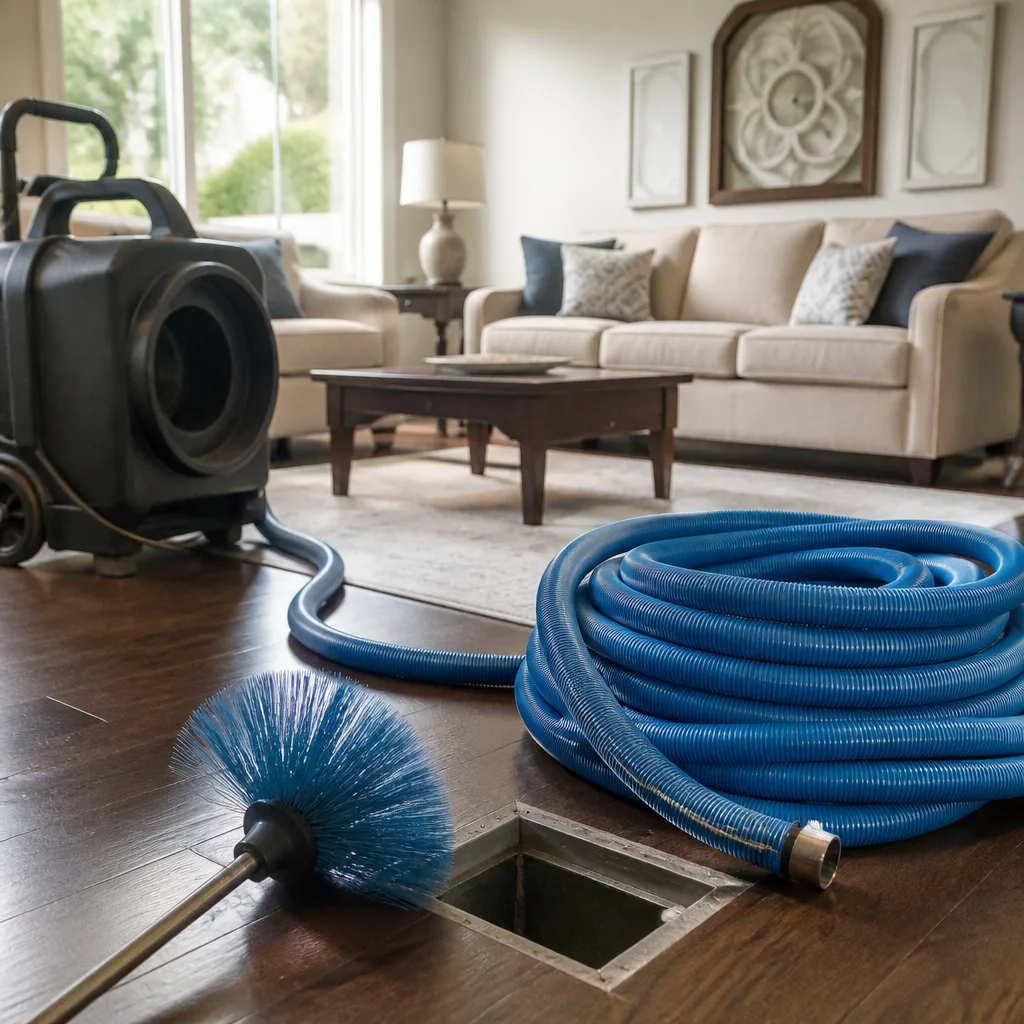 Whole-home duct cleaning
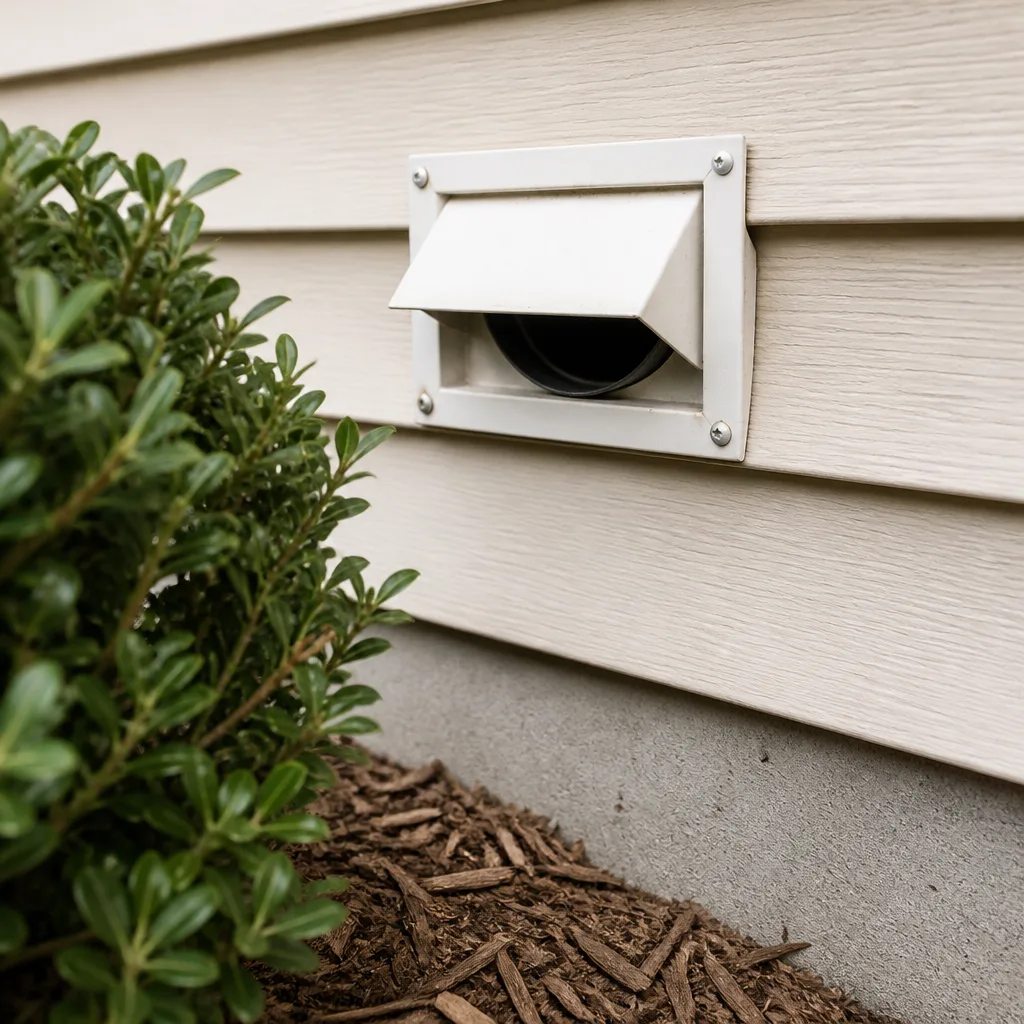 Dryer vent cleaning
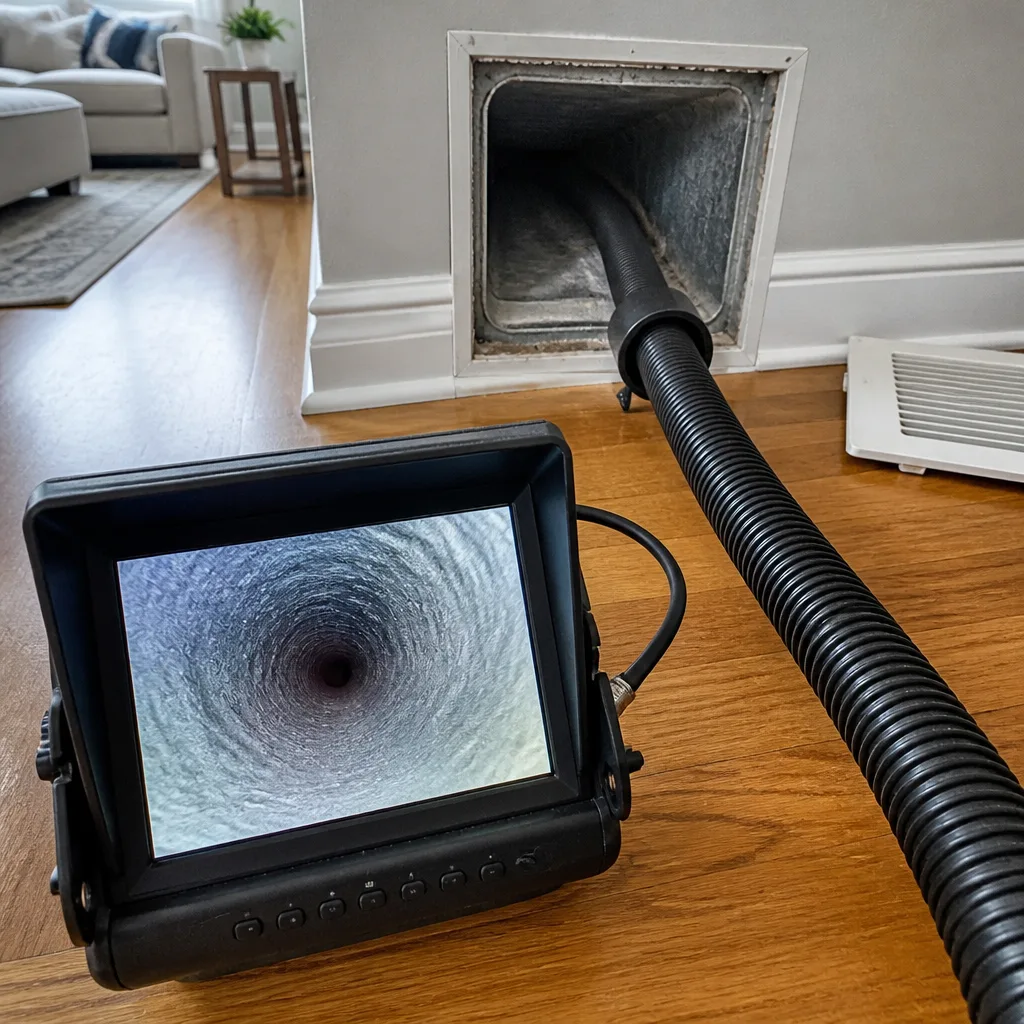 Camera inspection
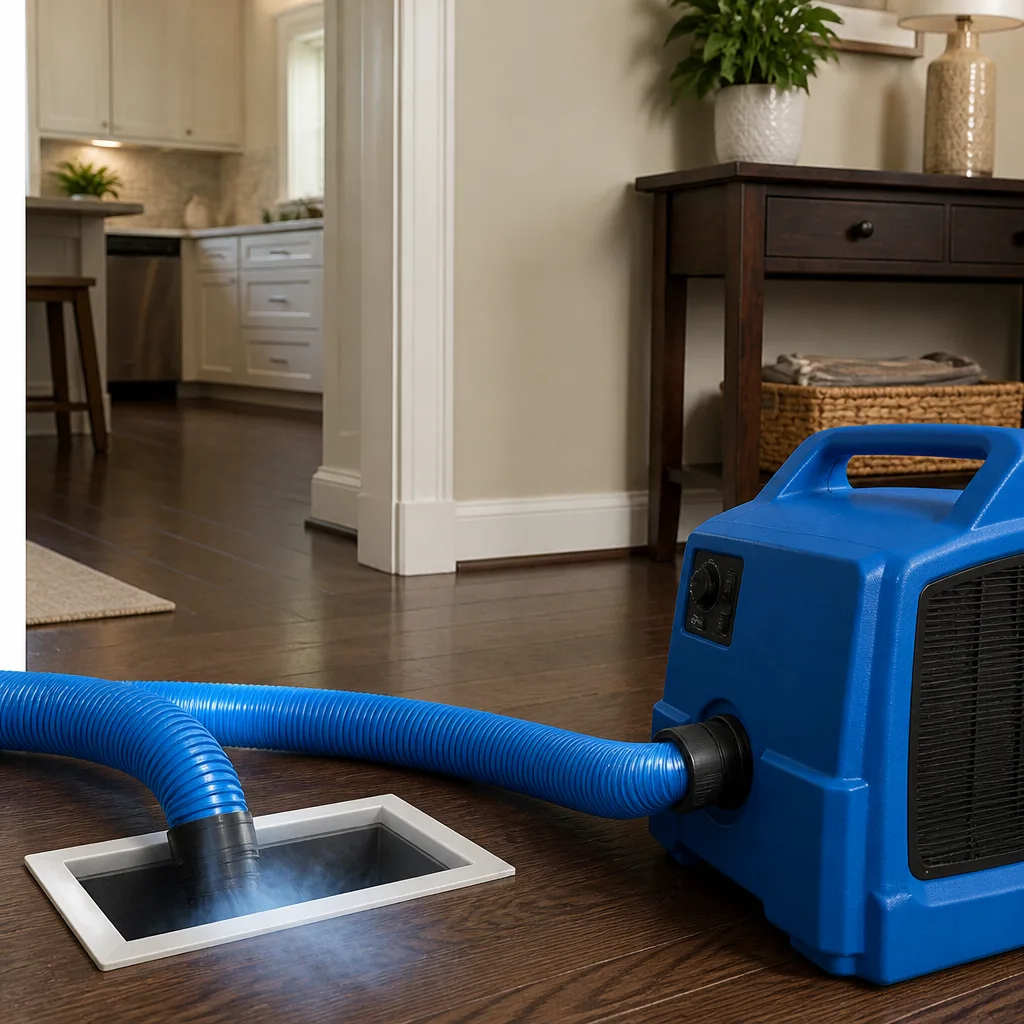 Sanitizing & deodorizing
Whole-system duct and dryer vent check with before-and-after photos - you see exactly what came out of your vents
That "$99 whole-house special" is a bait ad - the real number appears once they are in your hallway, or the "clean" is a shop-vac at the register. We photograph the inside of your ducts before and after instead.
Air Duct Cleaning Troubleshooting: Common Problems and How to Fix Them
A new HEPA filter that’s visibly gray within two weeks isn’t a filter problem. It’s a duct system telling you there’s a breach, a disconnected joint, or a contaminated plenum pulling from an unconditioned space. Replacing the filter again won’t fix it. This guide walks through the diagnostic process we use in Yorba Linda homes every week to trace symptoms back to their actual source, because most duct problems get misdiagnosed as HVAC problems, filter problems, or allergy problems when the failure point is inside the duct system itself. For a deeper look at symptoms that indicate trouble, see our Air Duct Cleaning Warning Signs: A Yorba Linda Homeowner’s Reference Guide.
Styles & brands we work with
- Whole-home duct cleaning
- Dryer vent cleaning
- Camera inspection
- Sanitizing & deodorizing
Quick Answer
Most air duct problems fall into three categories: airflow restrictions from debris buildup or collapsed sections, contamination from leaks pulling attic or crawlspace air into the system, and mechanical failures that mimic dirty-duct symptoms. The fix depends on which category you’re dealing with. Air Duct Cleaning solves the first category. Sealing or repair solves the second. The third requires a technician who can tell the difference before any work begins.
Table of Contents
- Symptom-to-Cause: A Diagnostic Decision Tree
- Cleaning Problem vs. Mechanical Problem: How to Tell the Difference
- Duct Leakage: The Contamination Source Nobody Checks
- When Cleaning Alone Won’t Solve the Problem
- What Negative-Pressure Equipment Reveals That Shop-Vacs Never Will
- DIY Checks You Can Do Before Calling Anyone
- Common Mistakes to Avoid
- When to Call a Professional
- Frequently Asked Questions
- The Bottom Line
Symptom-to-Cause: A Diagnostic Decision Tree
Homeowners in Yorba Linda call us with four recurring complaints. Each maps to a specific failure point inside the duct system, not to a generic “dirty ducts” diagnosis. Here’s how we trace them.
Symptom 1: Uneven Room Temperatures
What you notice: One bedroom runs five to eight degrees warmer than the rest of the house in summer. You’ve adjusted dampers. You’ve closed vents in unused rooms. Nothing changes.
What’s actually happening: Uneven temperatures point to airflow imbalance. The causes, in order of frequency we see in Yorba Linda homes:
- Disconnected or collapsed flex duct: A run that has separated at a joint or been crushed by someone crawling through the attic is delivering almost no conditioned air to that room. This is a repair issue, not a cleaning issue.
- Debris accumulation at a specific point: A bend, transition, or register boot that has collected enough material to reduce the effective diameter of the duct. Cleaning restores airflow.
- Damper malfunction: A damper stuck partially closed or fully closed inside the duct. This requires access and adjustment or replacement.
The diagnostic step that separates these: measure actual airflow at the register, not just temperature. A room that’s warm because the duct is disconnected needs Air Duct Repair in Yorba Linda, not cleaning. A room that’s warm because a section of duct is clogged needs mechanical agitation to remove the material.
Symptom 2: Musty Odor When the System Starts
What you notice: A stale or musty smell for the first minute or two after the blower kicks on. It fades as the system runs, then returns next cycle.
What’s actually happening: The odor is coming from material inside the ducts that’s being stirred up by airflow. Common sources:
- Dust and skin cells accumulated on duct walls, especially in the return side where air is pulled in unfiltered from the home.
- Moisture-affected insulation or duct liner, typically from a condensate issue or a leak that allowed humid air into the system.
- Debris in the coil pan or plenum that got wet during a drainage problem.
Odor that appears only at startup and then fades is usually material on duct surfaces, not a constant source like mold growth in a wall. That’s a cleaning candidate. Odor that’s constant regardless of whether the system is running points to a source outside the ducts.
Symptom 3: Visible Debris at Registers
What you notice: Gray or black particles collecting on the register grille. You wipe it off. It comes back within weeks.
What’s actually happening: Air moving through the ducts is carrying particulate and depositing it at the exit point. The particulate is coming from one of three places:
- Inside the ducts themselves: Accumulated dust being swept along by airflow. This is what cleaning addresses.
- Through a leak in the return side: The duct pulling attic air, crawlspace air, or garage air through a gap or disconnected joint. This is a sealing and repair issue.
- From the blower wheel or evaporator coil: Components upstream of the supply registers that are coated in debris. The coil and blower wheel in many Yorba Linda homes have never been cleaned because they sit behind the filter and out of sight.
The distinction matters because cleaning the ducts while leaving a return-side leak in place means the contamination comes right back. We see this sequence frequently: a homeowner pays for cleaning, sees improvement for a month, then the register debris returns because the actual entry point was never addressed.
Symptom 4: Elevated Dust Settling Rates
What you notice: Flat surfaces need dusting twice a week instead of once. Sunlight through a window reveals particles floating in the air even when nobody’s moving through the room.
What’s actually happening: The HVAC system is distributing particulate through the home. The particulate source could be:
- Accumulated dust in the ductwork being gradually released into the air stream.
- A return-side leak pulling unfiltered attic or crawlspace air into the system, bypassing the filter entirely.
- A filter that doesn’t fit properly and allows air to pass around it rather than through it.
In Yorba Linda specifically, the Santa Ana winds and the dry climate generate fine dust that infiltrates through attic vents and settles in return plenums. Homes built in the 1980s and 1990s in neighborhoods like East Lake Village and Bryant Ranch often have return platforms in the attic with joints that have loosened over decades of thermal cycling. Dust settling rates that increase year over year are a signal that something in the system has changed, and it’s usually a leak or accumulated debris reaching a critical mass.
Cleaning Problem vs. Mechanical Problem: How to Tell the Difference
A blower wheel coated in debris mimics low airflow the same way a collapsed flex duct does. The symptoms are nearly identical: weak airflow at registers, longer run times, rooms that don’t reach set temperature. But one requires cleaning and the other requires repair. Misdiagnosing the problem wastes money and leaves the original issue unresolved.
Here’s the diagnostic process we use to separate the two.
- Check airflow at multiple registers. If every register in the home shows reduced airflow, the restriction is likely at the blower wheel, the coil, or the filter. If one or two rooms are weak while others are normal, the problem is in the branch ducts serving those rooms.
- Inspect the blower wheel. A blower wheel with a coating of dust and debris on its vanes moves less air even at full RPM. The motor may be working fine, but the wheel’s aerodynamic efficiency drops as debris accumulates. Cleaning the wheel restores airflow. Ignoring it means the motor works harder and fails sooner.
- Look at the evaporator coil. A coil caked with dust and pet hair restricts airflow and reduces cooling capacity. The system runs longer to reach set temperature, which adds moisture to the ducts and creates conditions for more contamination. Coil cleaning is a separate procedure from duct cleaning, but the two are often needed together.
- Trace the duct runs. If airflow is weak only in specific rooms, go into the attic and look at the flex duct serving those rooms. A duct that’s been crushed by storage boxes, kinked at a tight bend, or separated at a connection point needs repair. Cleaning won’t fix a collapsed duct any more than blowing air through a pinched garden hose fixes the kink.
In our experience, roughly a third of the “cleaning” calls we get in Yorba Linda turn out to be repair calls once we look at the system. A homeowner who’s never been in the attic has no way to see that a duct separated at a Y-junction three years ago and has been dumping conditioned air into unconditioned space ever since.
Duct Leakage: The Contamination Source Nobody Checks
Most homeowners think of duct contamination as something that accumulates from inside the home: pet hair, dust, cooking residue. But the larger contamination source in many systems is outside air being pulled in through leaks.
Here’s the mechanism. When the blower runs, the return side of the system operates under negative pressure. Every gap, crack, or disconnected joint in the return ducts becomes an intake point. If those return ducts run through the attic, the system is pulling attic air, which in Yorba Linda means air that’s been heated to 140 degrees in summer and carries dust, insulation fibers, and whatever else circulates in the attic space.
That air never passes through the filter. It enters downstream of the filter and travels directly into the air handler, across the coil, and out through the supply registers into the living space. The filter can be brand new and the system still distributes unfiltered attic air through the home.
The same principle applies to a return platform that’s not properly sealed where it meets the ceiling. In many homes, the return air pathway is a framed cavity in the wall or a metal box in the attic, and the joints where these connect to the ductwork are sealed with tape that dries out and fails over time. When that happens, the system pulls from wherever the gap leads.
Duct leakage is also an efficiency problem that compounds the contamination problem. A system losing 20 to 30 percent of its conditioned air through supply-side leaks works longer to reach set temperature. Longer run times mean more air moving through the ducts, which means more particulate distribution even from clean ducts. The problems compound.
When Cleaning Alone Won’t Solve the Problem
Duct cleaning addresses debris inside the ducts. It does not address structural failures, moisture problems, or contamination that has penetrated duct materials. Here are the scenarios where cleaning alone is the wrong call.
Mold Growth on Porous Duct Surfaces
If mold is growing on fiberglass duct liner or on accumulated organic debris inside the ducts, cleaning removes the surface material but does not address the moisture source that allowed growth in the first place. Mold remediation protocol is a separate discipline. If the contamination has penetrated porous insulation, the correct fix may be replacing the affected duct sections rather than cleaning them. A reputable company will tell you when this is the case. We will not run cleaning equipment through ducts with active mold growth and tell you the problem is solved, because it isn’t.
Duct Leakage Beyond Simple Sealing
Small gaps can be sealed with mastic or aluminum tape applied at accessible joints. But if a duct system has widespread leakage, or if the leaks are in inaccessible portions of the ductwork, an Aeroseal treatment may be the appropriate fix. Aeroseal is a pressurized sealing process that injects a sealant aerosol into the duct system, which deposits at leak points and seals them from the inside. It’s a different service than cleaning, and it addresses a different problem. For homes in Yorba Linda with duct systems in hot attics, sealing can be as important for system performance as cleaning is for air quality. If you’re evaluating providers, our Choosing the Right Air Duct Cleaning Brand: A Buyer’s Guide for Yorba Linda covers what to look for.
Collapsed or Severely Damaged Ducts
Flex duct that has been crushed, chewed by rodents, or deteriorated with age cannot be repaired by cleaning. The damaged section needs replacement. This falls under Air Duct Repair in Yorba Linda, which we offer as a standalone service because cleaning a compromised system and walking away leaves the homeowner with the same problem they started with, minus a few hundred dollars.
Mechanical Component Failure
A blower motor that’s failing, a capacitor that’s weak, or a coil that’s leaking refrigerant all create symptoms that could be mistaken for duct problems. No amount of duct cleaning fixes a mechanical failure. The diagnostic step is to confirm the mechanical components are functioning before attributing symptoms to the ducts.
What Negative-Pressure Equipment Reveals That Shop-Vacs Never Will
Most budget duct-cleaning services use a portable vacuum connected to the register opening or a basic brush-and-vacuum approach. The limitation is airflow direction and volume. A shop-vac pulls enough air to capture some loose debris but lacks the static pressure to pull material from the full length of a branch duct, and it does nothing to control where dislodged particles go.
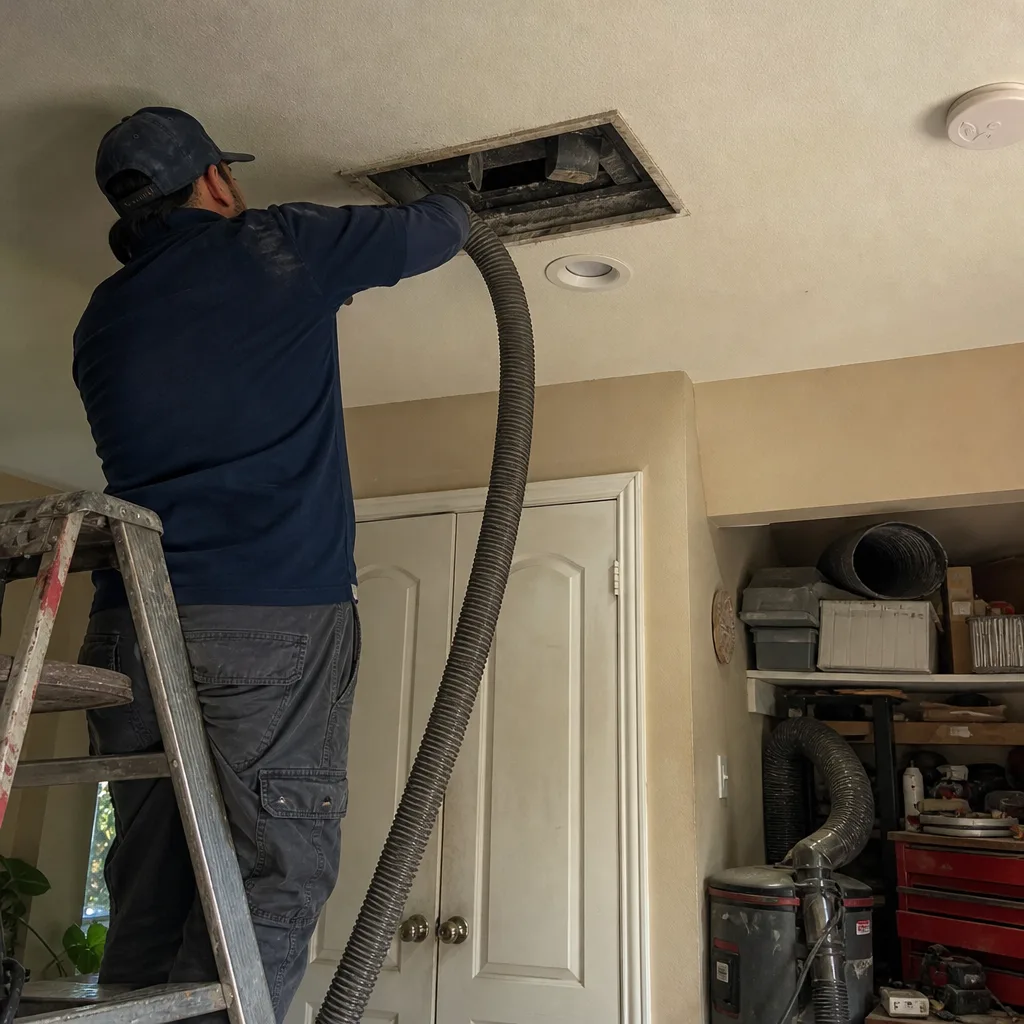
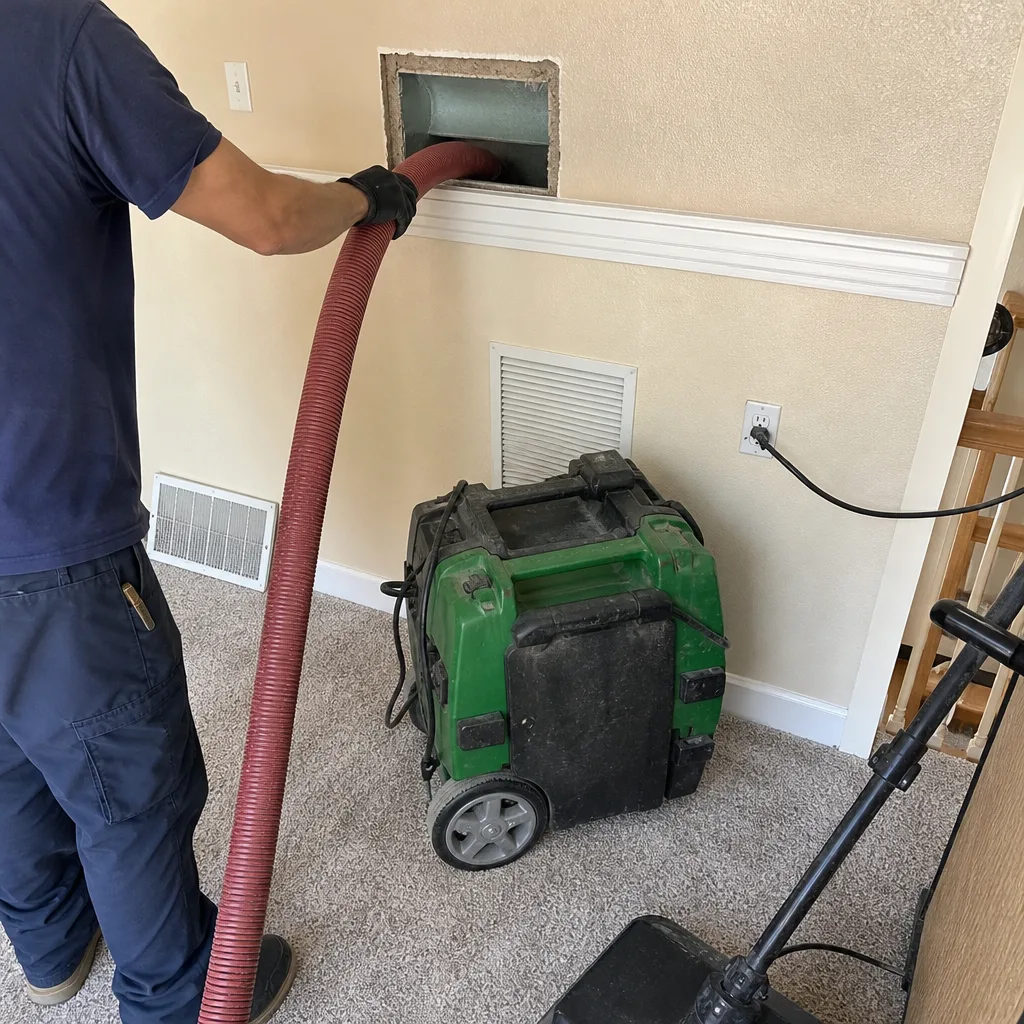
Professional systems like the Nikro and Abatement Technologies units we run operate differently. They connect a high-volume, HEPA-filtered negative-pressure unit to the duct system, creating airflow that moves from the registers toward the vacuum point. The entire system operates under negative pressure while agitation tools work from the register side. This achieves two things that portable vacuums cannot:
- Containment. Because the system is under negative pressure, dislodged debris moves toward the vacuum rather than escaping into the living space. Air entering the vacuum passes through HEPA filtration before being discharged, so particulates are captured rather than redistributed through the home.
- Complete air exchange. The airflow volume through the ducts is high enough to carry dislodged material the full length of each run, not just the first few feet from the register opening. This is the difference between cleaning the sections you can reach and cleaning the sections where material actually accumulates.
The agitation side matters too. A Rotobrush rotary brush-and-vacuum system physically scrubs the duct walls, dislodging material that has adhered to the surface. Airflow-only methods move loose debris but leave the adhered layer behind, which is why many homeowners see no measurable difference after a “cleaning” that was actually just a blow-through with no mechanical agitation.
The combination of mechanical agitation and negative-pressure containment is what makes the difference between a cleaning that changes air quality and one that just rearranges dust. When we clean ducts in Yorba Linda homes with this equipment, we can show the homeowner what came out of their system. That’s the proof the process worked.
DIY Checks You Can Do Before Calling Anyone
Before you pick up the phone, there are several things you can check yourself. None of these require special tools or put you at risk.
- Check your filter. Is it the right size, or is air passing around it? A filter that’s loose in the frame allows unfiltered air to bypass it. Is it installed with the airflow arrow pointing the correct direction? A filter installed backwards reduces airflow and can collapse into the blower.
- Look at your registers. Remove one or two supply registers and look inside with a flashlight. What you see in the first few inches of the duct is representative of what’s in the rest of the system. A visible coating of gray or brown material on the duct walls means cleaning is warranted.
- Check the return grille. The return side is where most contamination enters the system. A return grille coated in dust and pet hair is restricting airflow and feeding debris into the ducts. This is the one place where homeowner cleaning is straightforward: remove the grille, vacuum the opening, wash the grille, and reinstall.
- Look at your dryer vent. If your dryer takes longer than 45 minutes to dry a normal load, the vent is restricted. This is a separate issue from air duct cleaning but frequently coexists in homes we service in Yorba Linda. A restricted dryer vent is a fire hazard, not just an efficiency problem. Dryer Vent Cleaning in Yorba Linda addresses lint accumulation inside the vent run, which is something most homeowners cannot reach with a standard vacuum.
- Check for disconnected ducts in the attic. If you’re comfortable going into the attic, look at the flex duct runs. A duct that has separated at a joint is easy to spot: there will be a visible gap, and the area around the gap will be dusty from conditioned air blowing into the space. Don’t attempt to repair it yourself unless you know what you’re doing. Seal and insulation work in an attic in August is not a casual DIY project.
Common Mistakes to Avoid
- Replacing the filter and assuming the problem is solved. A dirty filter is usually a symptom, not the root cause. If the filter loads up within weeks, the system is pulling contaminated air from somewhere. Find the entry point.
- Hiring the cheapest quote without asking what equipment they use. A portable vacuum and a rotary brush are not the same as a negative-pressure system with HEPA filtration. The price difference reflects the equipment and process difference. Ask specifically what machinery they run before you book.
- Cleaning ducts while ignoring a return-side leak. If the system is pulling attic air through a gap, cleaning the ducts just makes room for more contamination. The leak has to be fixed first or the cleaning won’t last.
- Treating uneven room temperatures as an HVAC problem. Before you replace equipment or add refrigerant, check the ducts. Airflow imbalances are frequently duct problems, and duct repairs cost a fraction of equipment replacement.
- Ignoring dryer vent cleaning as a separate maintenance item. Lint accumulation in dryer vents is a leading cause of house fires. It’s a different system from your air ducts and needs different handling. Don’t wait for the dryer to stop working to address it.
- Assuming mold smell means the whole house has mold. A musty odor when the system starts often means debris and moisture inside the ducts, not a mold infestation in the walls. Get a professional assessment before starting remediation you may not need.
- Trusting a cleaning service that offers no visual proof. Any legitimate duct cleaning company can show you before-and-after photos from inside your ducts. If they can’t or won’t, you have no way to verify the work was done. In our process, the Rotobrush system captures what it removes, and we show homeowners what came out of their system.
When to Call a Professional
Call a professional if you see visible mold growth inside the ducts, if airflow is weak in multiple rooms despite a clean filter, if you find disconnected or crushed ducts in the attic, or if dust returns to surfaces within days of cleaning. These are signs that the problem is structural or persistent, not something a filter change or a DIY register cleaning will address. Duct Cleaning Yorba Linda home offers free estimates in Yorba Linda. Call (877) 600-3906 and we’ll assess the system before recommending any work. If cleaning isn’t the right fix, we’ll tell you that too.
Frequently Asked Questions
Remove a register and look inside with a flashlight. If you see a visible coating of gray or brown material on the duct walls, if registers collect debris within weeks of wiping them, or if dust settles on surfaces within days of dusting, the ducts need cleaning. Another way we confirm in Yorba Linda homes is running our inspection camera through the system before recommending any work, so you’re seeing the condition with your own eyes before deciding.
Rapid dust accumulation means the HVAC system is distributing particulate through the home. The source is either accumulated debris inside the ducts, a return-side leak pulling unfiltered attic or crawlspace air into the system, or a filter that doesn’t fit tightly and allows air to bypass it. Identifying which one applies to your system is the first diagnostic step. Call (877) 600-3906 and we’ll help you figure it out.
Dirty ducts circulate particulate that can irritate allergies and respiratory conditions, especially for people who are sensitive to dust, pollen, or pet dander. The ducts themselves don’t generate new allergens, but they accumulate material and redistribute it through the living space every time the system runs. Homes in Yorba Linda with pets and the dry, dusty conditions we get during Santa Ana wind events tend to accumulate material faster than average.
A proper cleaning of a typical single-family home takes three to five hours. Systems with extensive contamination, multiple HVAC units, or accessible crawlspace ductwork can take longer. Anyone who completes a whole-home duct cleaning in 45 minutes is not doing the same job. The time is spent working each duct run with agitation equipment while the negative-pressure system moves the dislodged material out of the home.
Duct cleaning removes accumulated debris from the interior surfaces of the duct system. Duct repair addresses structural problems: disconnected joints, crushed flex ducts, leaking seams, and damaged sections that need replacement. Air Duct Cleaning in Yorba Linda and air duct repair are complementary services. Cleaning a system with structural damage doesn’t fix the damage, and repairing a system without cleaning it leaves the accumulated contamination in place.
Most homes need duct cleaning every three to five years, but Yorba Linda specifics can shorten that interval. Homes with shedding pets, homes near the 91 or 241 freeways, and homes that have undergone renovation all accumulate debris faster. If you’ve never had the ducts cleaned and the home is more than 10 years old, the system likely needs it now. The best way to know is to look inside the ducts, not to rely on a time interval.
The Bottom Line
Duct problems hide in plain sight because the symptoms look like something else: a filter problem, an HVAC problem, an allergy problem. The actual failure point is usually inside the duct system, and identifying it correctly before any work begins saves money and fixes the problem the first time. Uneven temperatures, musty startup odors, register debris, and rapid dust accumulation each point to specific causes. Cleaning addresses debris. Sealing addresses leaks. Repair addresses structural failures. The right fix depends on the right diagnosis, and the right diagnosis requires looking at the system, not guessing. If you’re in Yorba Linda and want a direct assessment, call (877) 600-3906 for a free estimate.
Written by the team at Duct Cleaning Yorba Linda, serving Yorba Linda since 2011.
See the difference
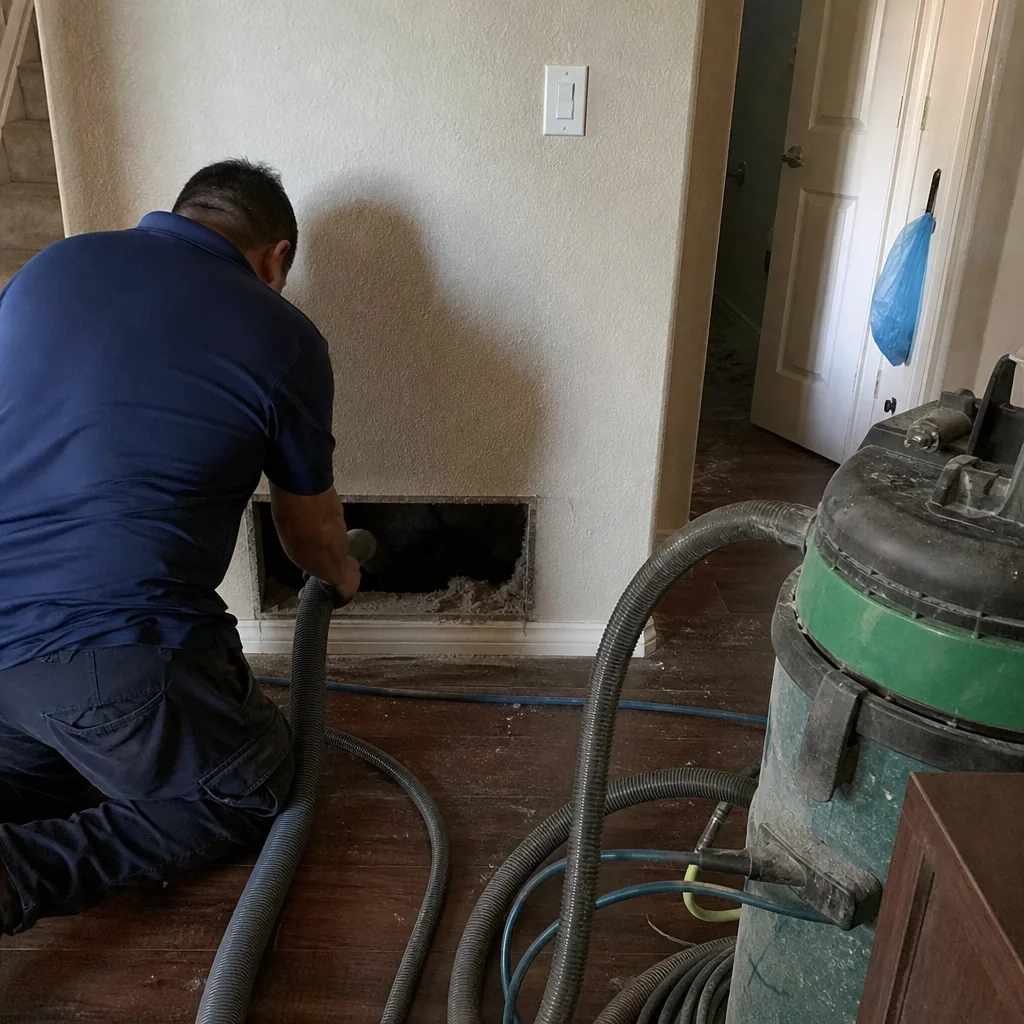 Before
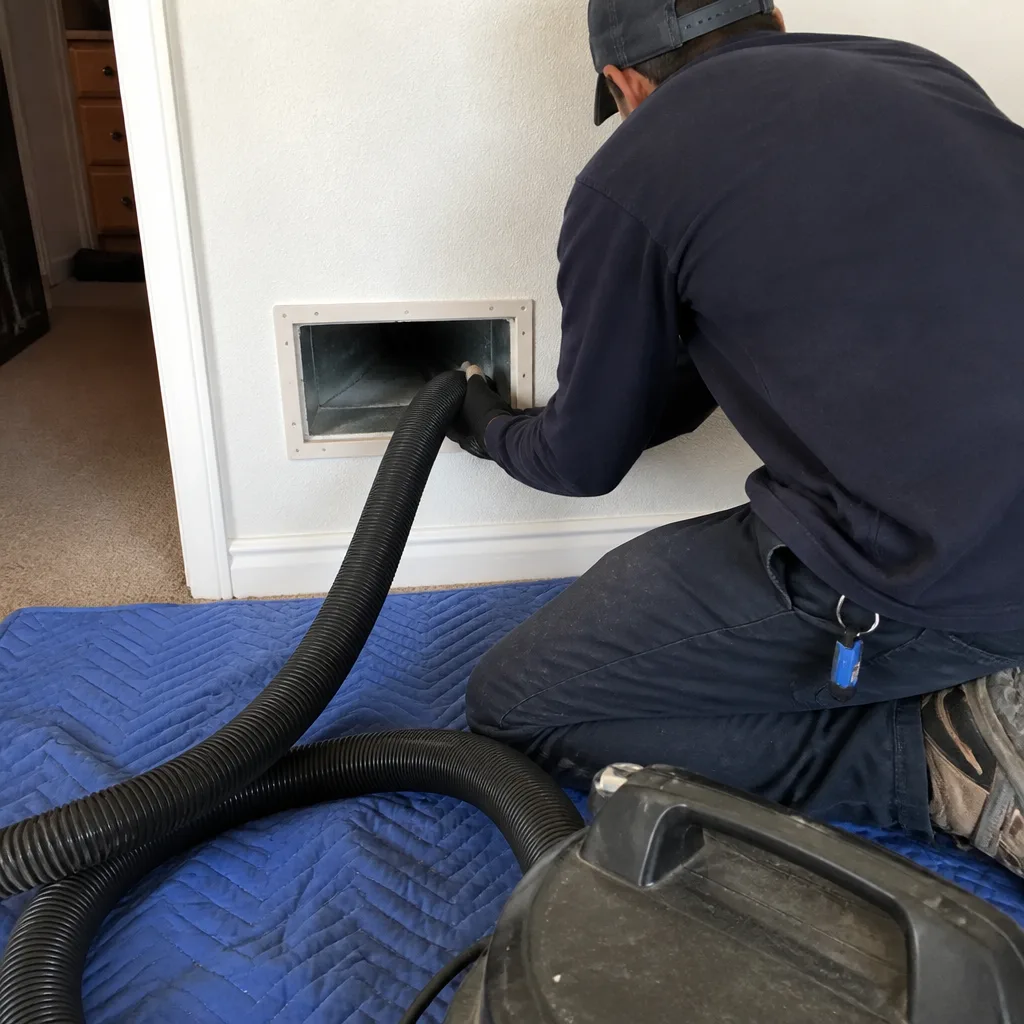 After
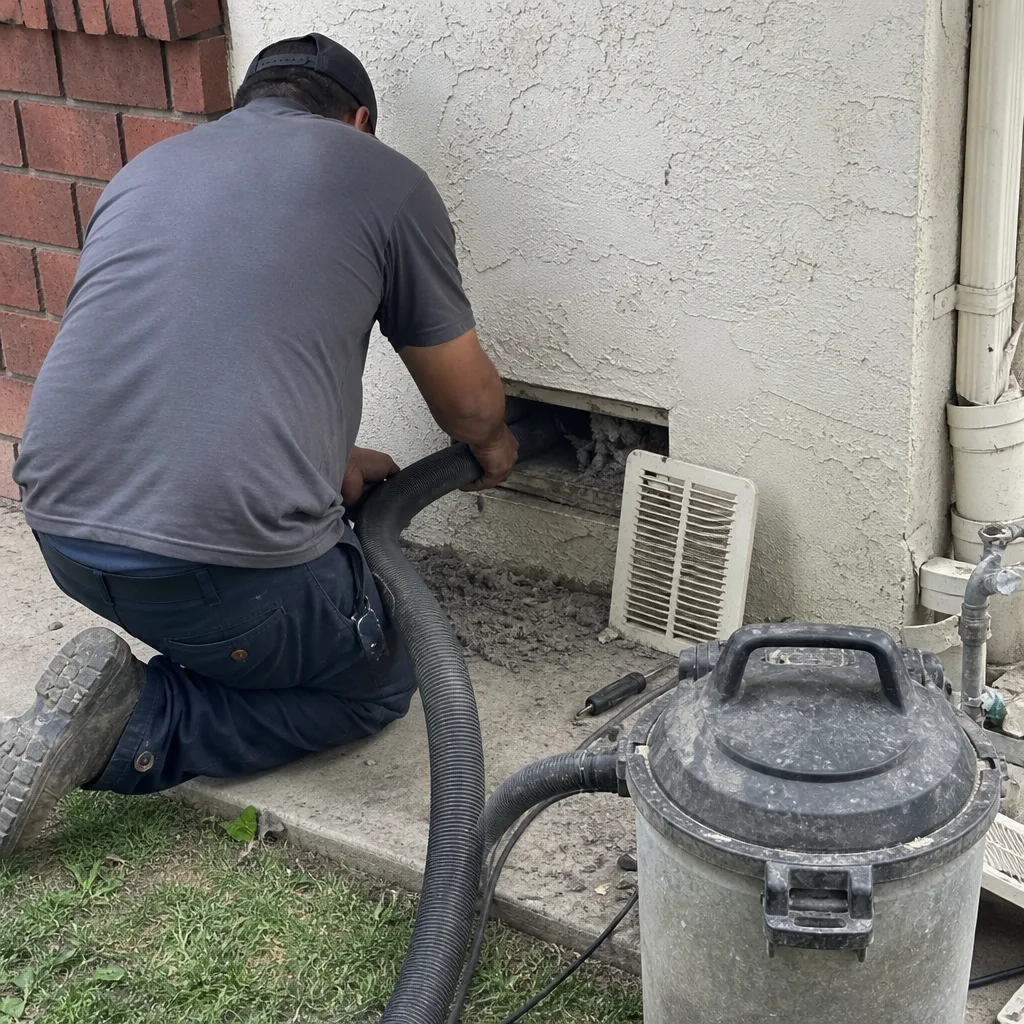 Before
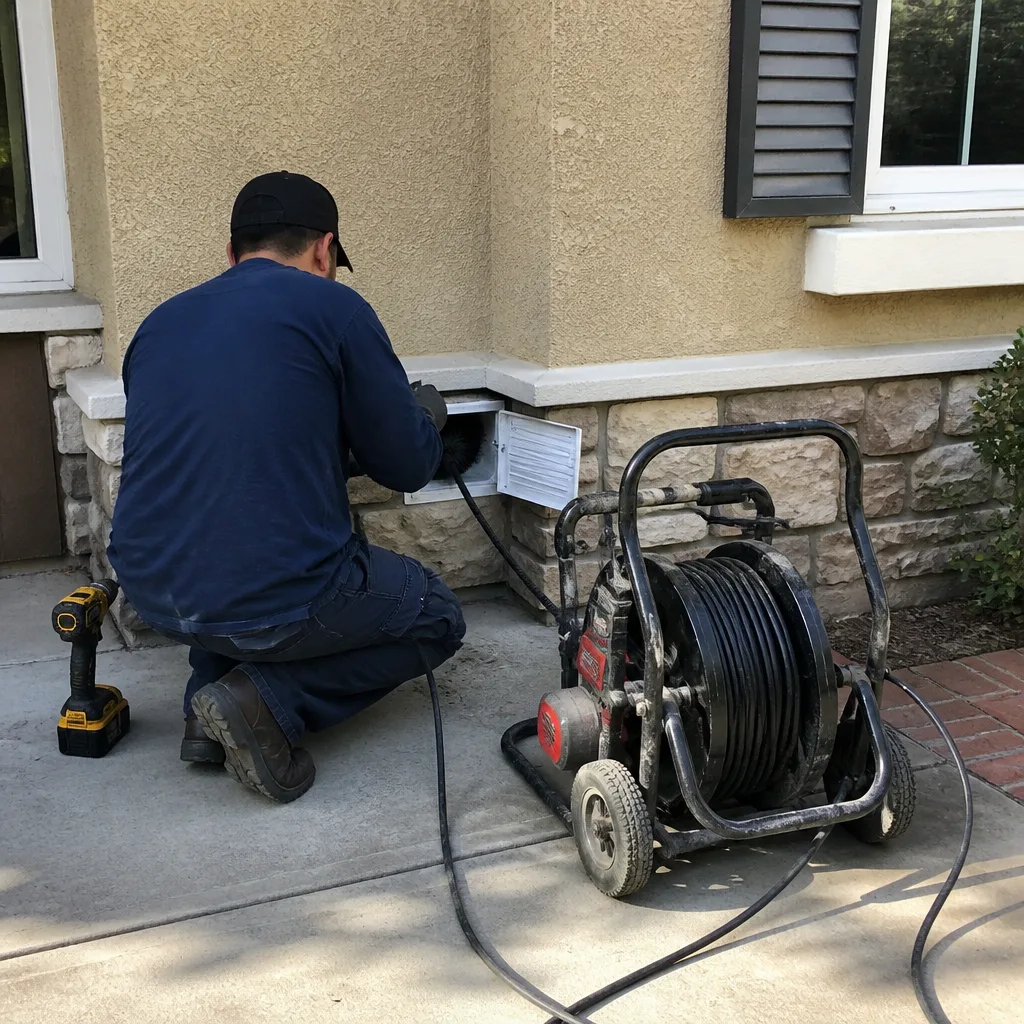 After
 Before
 After